
3 hr
Trincomalee Scuba Diving Adventure
Explore historic wrecks and vibrant reefs in one of the world's finest natural harbors
Reserve
Hand-picked by our editors — only the best 5 dive experiences from 12 operators reviewed.
Verified partners for every tour, free cancellation where available, and instant confirmation on every booking.
3 hr
Explore historic wrecks and vibrant reefs in one of the world's finest natural harbors
Reserve
3 hr 30 min
Two-tank dive exploring shipwrecks, coral reefs, and marine life at depths from 10m to 40m off Sri Lanka's coast
Reserve
3 hr
Discover vibrant coral gardens and swim alongside sea turtles at Sri Lanka's premier marine sanctuary
ReservePrices from verified partners. Availability updates in real time at checkout. Free cancellation policies apply where shown.
The landmarks, rooms, and views travelers on this tour remember — all visible on a single visit.
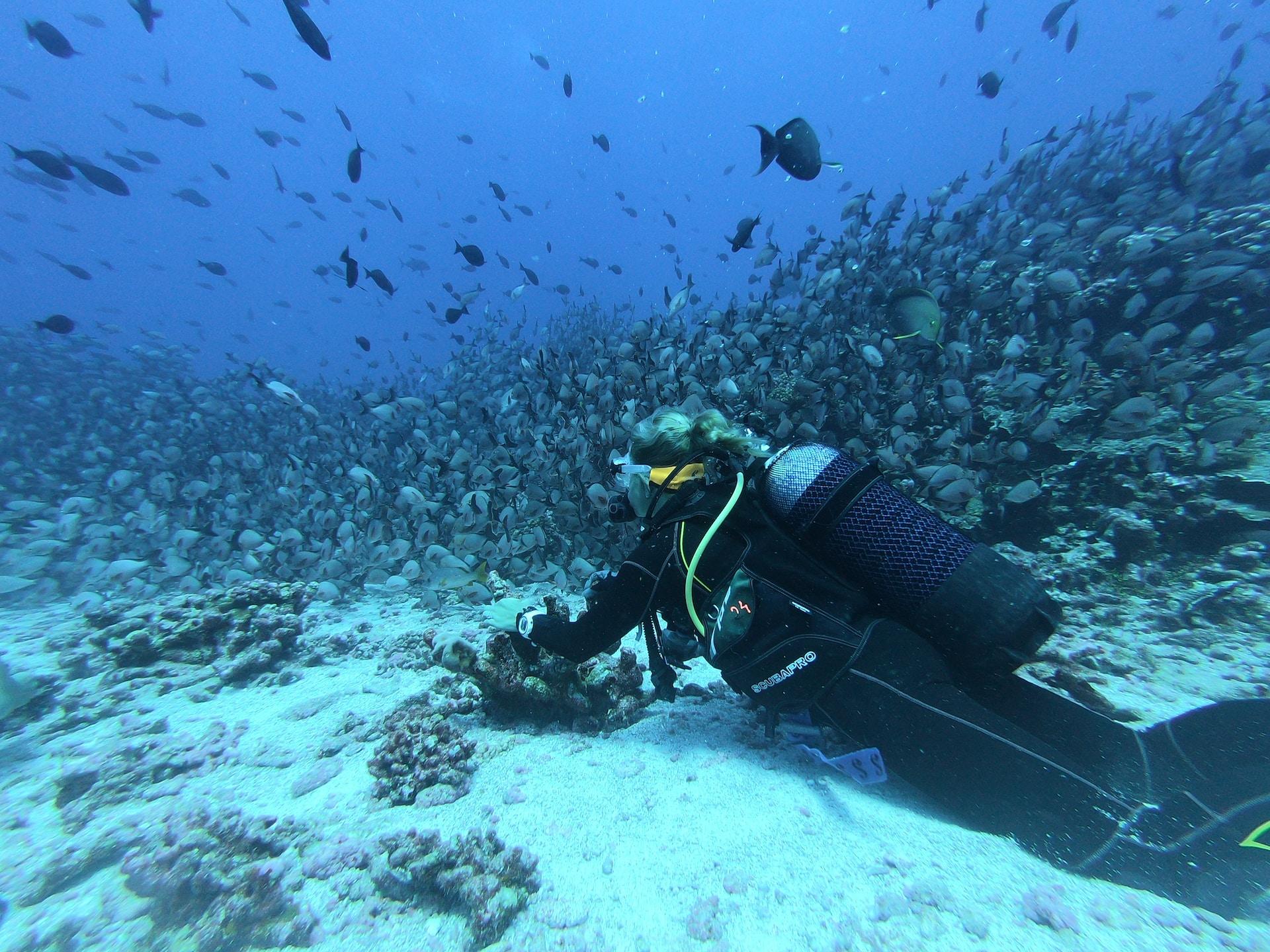
Renowned for its vibrant coral gardens and diverse marine life, serving as the primary site for many a trincomalee diving course. It features over 100 species of coral and 300 types of fish.
They complement each other; most visitors who do both call Trincomalee the more thrilling destination for reef exploration while Hikkaduwa provides superior wreck access. Obtaining your PADI certification through these trincomalee diving course tours offers a distinct underwater experience compared to the west coast.
| Feature | Top pick Trincomalee | Hikkaduwa |
|---|---|---|
Best Season |
May to October | November to April |
Primary Marine Life |
Whale sharks and rays | Turtles and reef fish |
Sea Conditions |
Calm, clear mornings | Stable, moderate currents |
Accessibility |
Uppuveli Beach access | Hikkaduwa beach strip |
Diving Skill Levels |
Beginner to advanced | Beginner to advanced |
Certification focus |
PADI instruction available | PADI instruction available |
| See tickets → |
Verdict: Choose the trincomalee diving course if you prioritize biodiversity and marine life, or select Hikkaduwa for its diverse wreck sites and accessibility through various trincomalee diving course tickets.
Choose your ticket, select your date, and reserve in under two minutes. Secure checkout handled by our verified partner.
Instant confirmation by email, with a mobile voucher you can save offline. No printing, no queuing at a collection desk.
Arrive at the entrance, show your voucher on your phone, and walk in. Most tickets include priority or skip-the-line access.
Practical details for your visit straight from our verified partners — hours, access, rules, and how to get there.
Participants should wear comfortable swimwear for the trincomalee diving course practical sessions. Rash guards or light clothing are recommended for sun protection while on the boat.
Dry bags are recommended for personal electronics during your trincomalee diving course boat trips. Staff provide safe storage at the centre for valuables while you are at sea.
Underwater photography is encouraged during your trincomalee diving course sessions. Rental GoPro equipment is available for those who do not have their own gear.
The trincomalee diving course requires basic comfort in water. Boat boarding may require physical agility; please notify the staff of any mobility concerns in advance.
Mobile phones should be kept in waterproof pouches during the trincomalee diving course boat transit. Please ensure devices are secured before entering the water.
Family members are welcome at the beach facility during your trincomalee diving course. Minimum age for PADI certification programs is generally 10 years.
Light refreshments and water are provided during boat-based trincomalee diving course tours. Additional snacks are available for purchase at local cafes near the Uppuveli beach.
Pets are not permitted on the boats during the trincomalee diving course expeditions. Please make alternative arrangements for animal companions.
All trincomalee diving course participants must complete a medical health questionnaire before entering the water. Please avoid flying for 12 hours after completing your final dive.
Best time to go, insider tips, nearby landmarks, and the cancellation fine print — flip through to skim what matters to you.
Flexible, no hidden fees.
Free cancellation available up to 24 hours before the scheduled trincomalee diving course. Refunds apply only to service fees, excluding the mandatory 0 USD entrance fee for the national park.
Trincomalee's underwater training grounds sit atop a continental shelf that drops sharply into the Bay of Bengal, creating a rare combination of shallow coral gardens for beginners and deep-water wrecks for advanced divers within minutes of shore. The district's dive centers cluster along Uppuveli Beach, where warm water averaging 27°C year-round and visibility stretching to 30 meters during the April-to-September season have made it Sri Lanka's most reliable location for multi-day PADI certification courses. British naval wrecks from the 1942 Easter Sunday Raid lie in recreational diving depths, their steel frames now encrusted with hard corals and patrolled by barracuda schools, while Pigeon Island's two granite outcrops 800 meters offshore shelter blacktip reef sharks and hawksbill turtles in water shallow enough for confined-water training dives. The region's importance as a dive training hub stems from logistical factors as much as marine biodiversity. Trincomalee harbor remained a restricted military zone until 2009, delaying commercial dive tourism by two decades compared to the island's southern and western coasts. That late start allowed operators to adopt PADI's revised Open Water Diver curriculum from the outset, incorporating digital learning materials and streamlined pool-to-ocean progression that older Sri Lankan dive schools still resist. Most Trincomalee diving course programs now follow a three-day structure: eLearning modules completed before arrival, confined-water skills practiced in the shallow sand flats north of Uppuveli's fishing anchorage, and four open-water certification dives split between Pigeon Island's coral slopes and the HMS Hermes wreck site 15 kilometers offshore. The wreck, a British aircraft carrier sunk in 60 meters of water, serves as an aspirational landmark visible from shore at dawn; advanced courses include deep-dive training along its flight deck. Seasonal swells and monsoon timing dictate the east coast's training calendar. The northeast monsoon brings rain and choppy seas from November through March, forcing most operators to close or relocate temporarily to Hikkaduwa on the south coast. April marks the start of the prime window, when the sea flattens and plankton blooms attract manta rays and whale sharks to the outer reefs. By October, as the inter-monsoon period closes, visibility drops and dive boats reduce their schedules. This compressed season has pushed Trincomalee's dive centers toward intensive certification models, with some offering accelerated two-day courses that compress pool time and limit open-water dives to the minimum PADI standard—a trade-off that prioritizes convenience over skill consolidation. The more established operators maintain the three-day format and include supplementary dives at sites like Coral Bay and Swami Rock, where surge channels and swim-throughs introduce buoyancy challenges absent from the sand flats.
"Trincomalee harbor remained a restricted military zone until 2009, delaying commercial dive tourism by two decades."
A step-by-step walkthrough of the visit — what you'll see, how long each stage takes, and the details that matter.
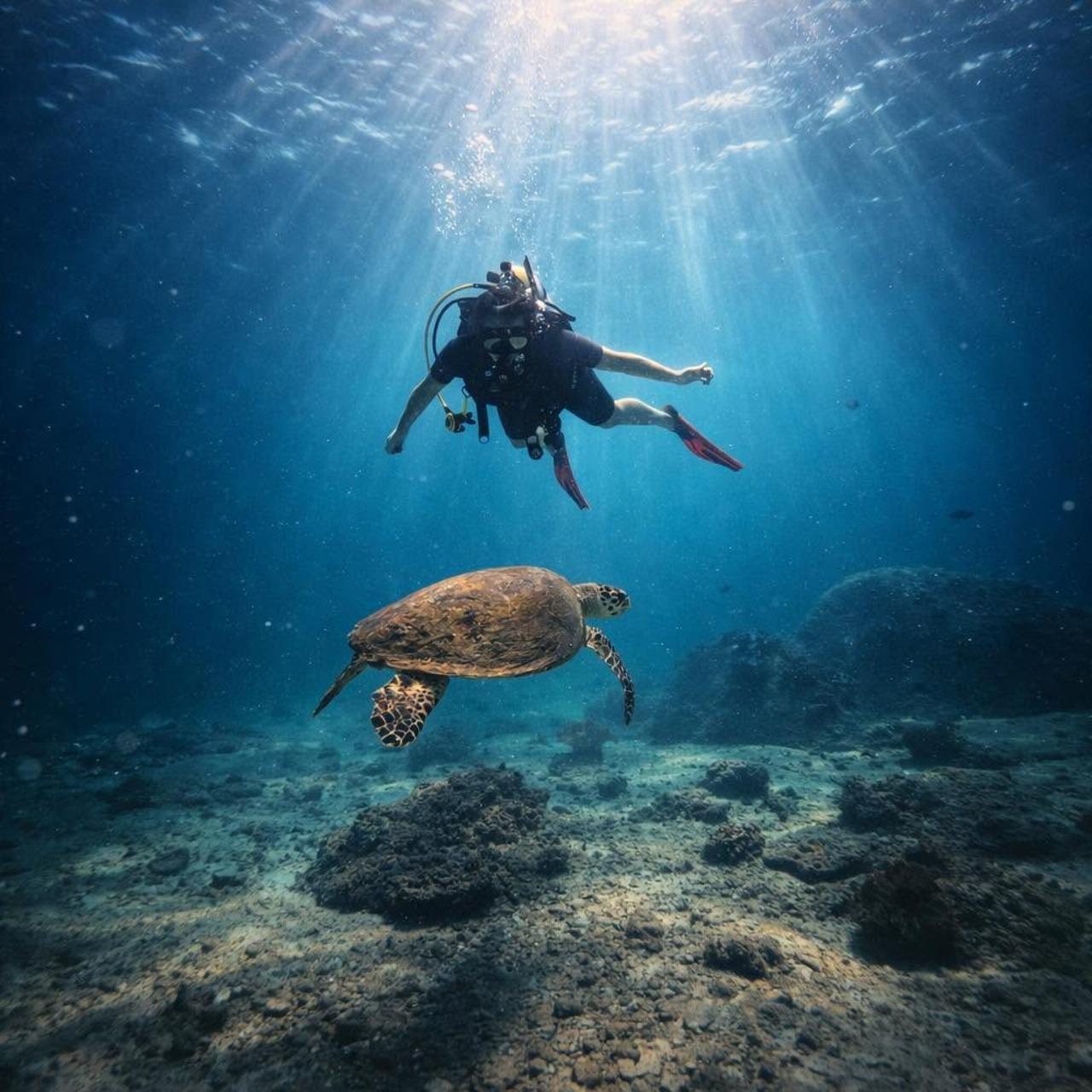
You arrive at Uppuveli Beach by 06:00, when the sand is cool and the fishing catamarans are hauling nets at the tide line. Your instructor meets you outside the dive center's equipment shed, a single-story concrete block painted turquoise, and fits you with a 12-liter aluminum tank, BCD, and wetsuit—optional in water this warm, but most students wear a 3mm shorty to avoid scrapes on the coral bommies. The confined-water session begins in waist-deep water 50 meters from shore, where you kneel in the sand and practice regulator recovery, mask clearing, and neutral buoyancy while parrotfish dart through the shallows. After 90 minutes, you wade back, strip the gear, and wait for the boat—a fiberglass skiff with a canvas canopy—to arrive from the harbor. The ride to Pigeon Island takes 12 minutes. You sit on the gunwale, tank wedged between your knees, while the boatman steers around the reef markers. At the mooring buoy, you giant-stride into water so clear you can see the anchor chain coiled on the sand six meters below. Your first open-water dive follows the reef's north slope, descending gradually to 12 meters. You fin past table corals the size of car hoods, photograph a turtle grazing on seagrass, and surface 38 minutes later with 60 bar remaining. Back on the boat, you log the dive in a waterproof slate, then motor to the second site—a rocky pinnacle where the current picks up and you practice hovering in mid-water, watching the surge pull you back and forth above the granite.
No, a Discover Scuba Diving trincomalee diving course is available for beginners without prior experience. Professional PADI certifications are available for those seeking higher skill levels.
The center is open daily from 06:00–22:00 to accommodate your trincomalee diving course scheduling.
Entrance is 0 USD, though specific activity packages or diving course fees apply to your trincomalee diving course.
Yes, introductory programs are standard for every trincomalee diving course tour package.
We recommend the 06:00–10:00 arrival window for your trincomalee diving course to ensure the best visibility and calmest sea conditions.
Yes, friends and family are welcome to wait at the beach center while you participate in your trincomalee diving course.
Bring swimwear, a towel, sunscreen, and your certification card if you are doing an advanced trincomalee diving course.
The center is located at Uppuveli Beach, Trincomalee, Sri Lanka, easily accessible by local transport.
Yes, underwater photography is highly encouraged throughout your trincomalee diving course experience.