5 hr
Trincomalee Whale Watching & Navy Island Snorkeling
Encounter blue whales and spinner dolphins, then snorkel coral reefs with sea turtles in one epic day
Reserve
Hand-picked by our editors — only the best 5 marine experiences from 12 reviewed operators
Verified partners for every tour, free cancellation where available, and instant confirmation on every booking.
5 hr
Encounter blue whales and spinner dolphins, then snorkel coral reefs with sea turtles in one epic day
Reserve
3 hr
Search for blue whales, spinner dolphins and sea turtles on an early-morning ocean adventure
Reserve
7 hr
Full-day ocean adventure: search for blue whales and dolphins, then snorkel vibrant reefs with turtles and sharks
ReservePrices from verified partners. Availability updates in real time at checkout. Free cancellation policies apply where shown.
The landmarks, rooms, and views travelers on this tour remember — all visible on a single visit.
The primary departure point for all naval marine operations and the start of your journey.
A historic coastal beacon guiding ships through the deep waters of the Indian Ocean.
A unique rock formation along the coastline, frequently used by captains for navigation.
The heart of the Eastern Naval Command and a secure, historically significant harbor zone.
A vast natural harbor known for calm, deep-sea conditions that attract migrating blue whales.
The Navy-run option provides unmatched access to restricted maritime zones, whereas private charters offer a more tailored experience; most travelers find the Navy cruise superior for professional marine mammal sightings. These trincomalee diving with whales tours provide a regulated approach to spotting blue whales and sperm whales in their natural habitat.
| Feature | Top pick Navy Cruise | Private Charter |
|---|---|---|
Regulated Navy access |
Strictly authorized | None |
Group size limits |
Fixed capacity | Customized small groups |
Equipment provided |
Life jackets only | Snorkeling and safety gear |
Standardized cruise route |
Preset navy path | Flexible itinerary |
Personalization level |
Minimal | High flexibility |
Vessel comfort |
Industrial navy standard | Varies by boat operator |
| See tickets → |
Verdict: Choose the official Navy experience for regulated safety and professional observation, or select a private trincomalee diving with whales tour for a customized maritime itinerary.
Choose your ticket, select your date, and reserve in under two minutes. Secure checkout handled by our verified partner.
Instant confirmation by email, with a mobile voucher you can save offline. No printing, no queuing at a collection desk.
Arrive at the entrance, show your voucher on your phone, and walk in. Most tickets include priority or skip-the-line access.
Practical details for your visit straight from our verified partners — hours, access, rules, and how to get there.
Wear light, breathable clothing and footwear suitable for a moving boat deck. A light windbreaker is recommended for the early morning ocean breeze.
All visitors must pass through security at the Naval Dockyard entrance. Keep bags minimal as storage on board is restricted to small personal items.
Photography is permitted throughout the trincomalee diving with whales tour. Keep camera gear secure with a wrist strap to prevent drops into the Bay of Bengal.
The Nicholson Cove Pier facility is a working naval dockyard and may have uneven surfaces. Guests should be comfortable stepping onto the vessel from a fixed pier.
Children are welcome on the trincomalee diving with whales tour, though life jackets are mandatory for all passengers. Ensure children are prepared for the early start time.
The standard 70 USD ticket includes a snack pack and soft drinks provided during the cruise. Bringing extra water is advised for longer excursions.
Best time to go, insider tips, nearby landmarks, and the cancellation fine print — flip through to skim what matters to you.
Flexible, no hidden fees.
Full refunds are typically available for cancellations made 24 hours prior to the scheduled departure. No-shows or late arrivals forfeit the 70 USD entrance fee per foreign adult.
The Sri Lanka Navy operates the only authorized whale-watching fleet departing from Nicholson Cove within Trincomalee's historic naval dockyard, where British Admiralty charts from 1795 first documented cetacean migration corridors along the eastern continental shelf. Between March and August each year, blue whales—the planet's largest mammals, reaching thirty metres and weighing two hundred tonnes—follow nutrient upwellings that rise from the Bay of Bengal's deepest trenches, passing within three nautical miles of Trincomalee's headland. The naval vessels maintain strict approach protocols: engines idle at one hundred metres, no bow approaches, maximum fifteen-minute observation windows per pod. Trincomalee's position at the confluence of coastal shallows and abyssal plain creates a marine biodiversity corridor unmatched elsewhere in South Asia. Spinner dolphins form super-pods exceeding three hundred individuals during morning hours. Sperm whales, identifiable by their square foreheads and angled blows, hunt giant squid along the continental drop-off. Bryde's whales, smaller and more acrobatic than blues, surface unpredictably within the harbour's outer anchorage. The navy's marine biologists maintain encounter logs dating to 2011, when formal whale-watching protocols replaced ad hoc fishing boat charters. Each vessel carries a trained naturalist from the Department of Wildlife Conservation. They identify individual blue whales by dorsal fin notching and fluke patterns, contributing sighting data to the International Whaling Commission's Indian Ocean catalogue. Hydrophones allow passengers to hear whale vocalization—blue whales produce infrasonic calls at fourteen hertz, below human hearing range but perceptible as chest vibrations. The navy's cruises depart exclusively during morning slack tide when sea states drop below Beaufort scale two, ensuring stable observation platforms and minimal disturbance to nursing calves. Trincomalee diving with whales tours include Navy Island snorkeling stops, where eighteenth-century British fortifications sit submerged beneath coral gardens. Pigeon Island National Park, two kilometres offshore, offers secondary snorkeling at reef systems sheltering blacktip reef sharks and hawksbill turtles. The combined itinerary—whale observation followed by shallow reef exploration—operates year-round, though April through July delivers the highest blue whale encounter rates, documented at seventy-eight percent across the 2025 season.
"Blue whales produce infrasonic calls at fourteen hertz, perceptible as chest vibrations through the vessel hull."
A step-by-step walkthrough of the visit — what you'll see, how long each stage takes, and the details that matter.
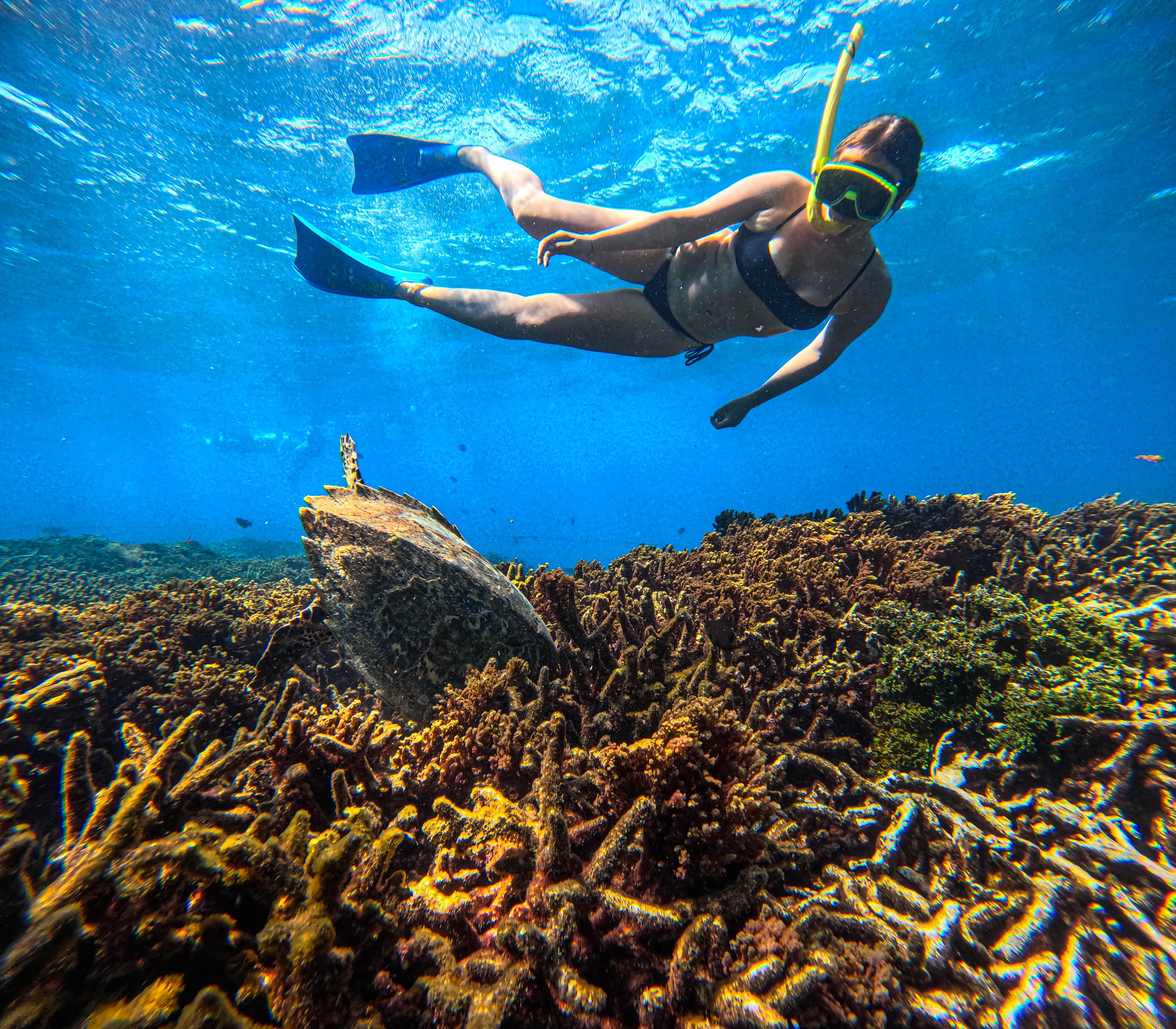
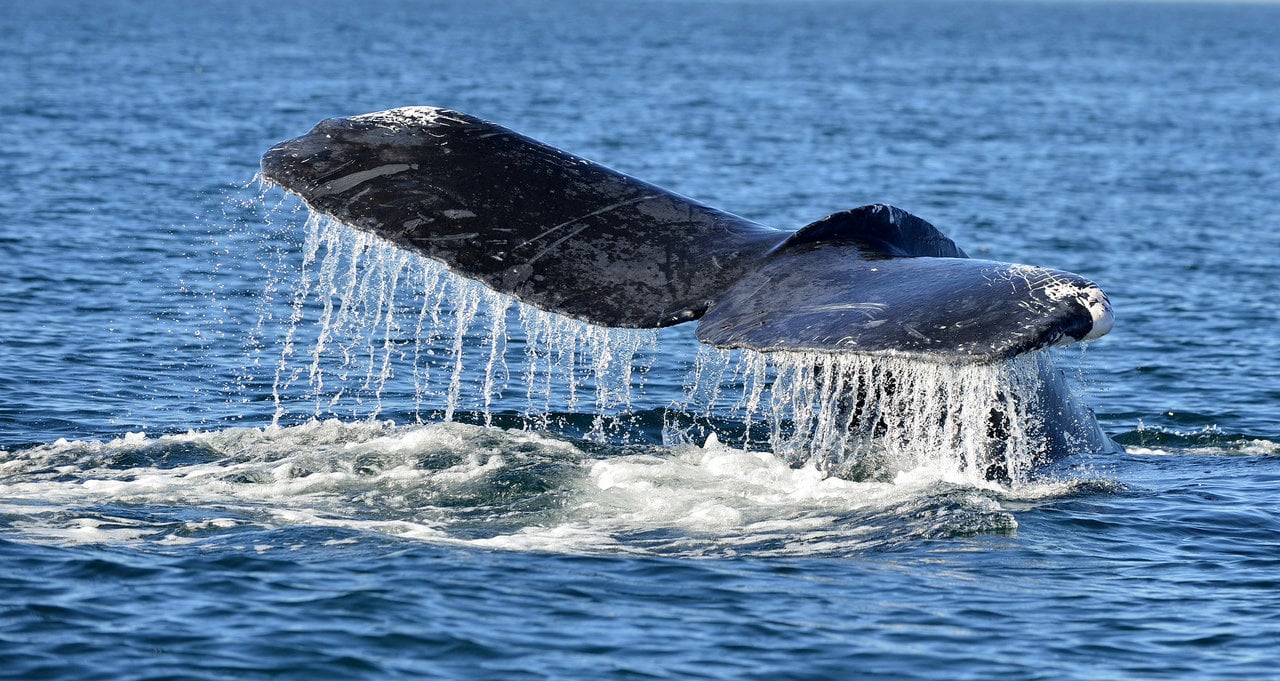
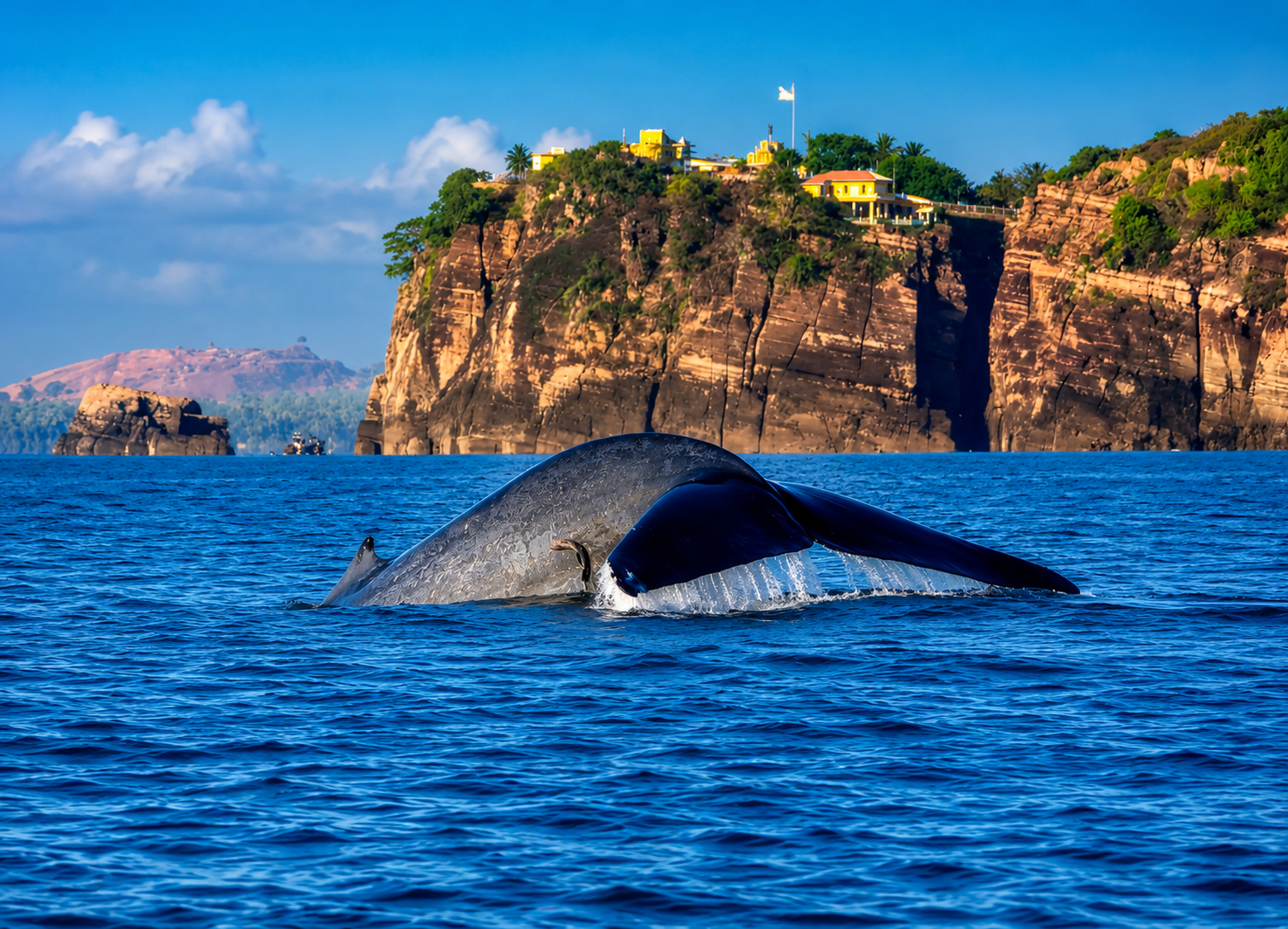
You board at Nicholson Cove Pier by 06:30, stepping onto a navy patrol vessel retrofitted with bench seating and roof-mounted observation rails. The naturalist briefs encounter protocols as the boat clears the harbour breakwater, passing rusted merchant hulks anchored in the roads. Twenty minutes offshore, the engine cuts to idle. Scan the horizon for vertical blows—blue whale exhalations rise four metres and hang in still air for thirty seconds. When a whale surfaces, the boat drifts to within observation range. You watch the animal's mottled grey back roll through three breathing cycles before the fluke lifts clear for a terminal dive, water sheeting off trailing edges. The naturalist radios the sighting coordinates to the coastal monitoring station. If spinner dolphins appear, they bow-ride the vessel's wake, leaping in synchronized arcs. After ninety minutes at sea, the boat anchors off Navy Island's western reef. You snorkel above staghorn coral formations where sergeant majors and parrotfish graze algae films. The return crossing reaches Nicholson Cove by noon, the sea surface already rippling with afternoon thermals that make whale-spotting impossible until the following dawn.
The official navy cruise operates with an arrival window of 06:30–07:00 at Nicholson Cove Pier.
The entrance fee is 70 USD per foreign adult for the official navy cruise, including all taxes.
The meeting point is at Nicholson Cove Pier, located within the Naval Dockyard in Trincomalee.
While weekend sailings are standard, weekday access for trincomalee diving with whales requires private charter approval.
During your excursion, you may pass landmarks like Foul Point Lighthouse, Alligator Rock, and the historic Naval Dockyard waters.
There are no specific age restrictions, though children must wear life jackets provided on every trincomalee diving with whales tour.
Taking motion sickness medication one hour before the trincomalee diving with whales departure is highly recommended.
Tours may be cancelled or rescheduled due to rough sea conditions; always confirm with the operator.
Yes, photography is encouraged during the trincomalee diving with whales tour, provided you secure your gear against salt spray.
Yes, the 70 USD price for trincomalee diving with whales covers the official navy cruise rate and all associated taxes.