Trincomalee Diving
Dive Guide

Trincomalee Diving Sites

Trincomalee sits above some of the Indian Ocean's most varied dive terrain. The pages below detail which sites match your certification level, when visibility peaks, and how to book a guided dive.

7 min read Updated 2026-10-01 Fact-checked
Trincomalee Diving Sites

Quick answer

Trincomalee diving sites span shallow coral gardens, offshore pinnacles, and deep wreck dives including HMS Hermes, the world's deepest diveable aircraft carrier at 53 meters. Most dive shops operate daily between 08:00 and 17:00, with the best underwater visibility from April through September when the northeast monsoon subsides. No site charges an entry fee; costs apply only to dive shop packages that include boat transport, guide services, and tank rental.

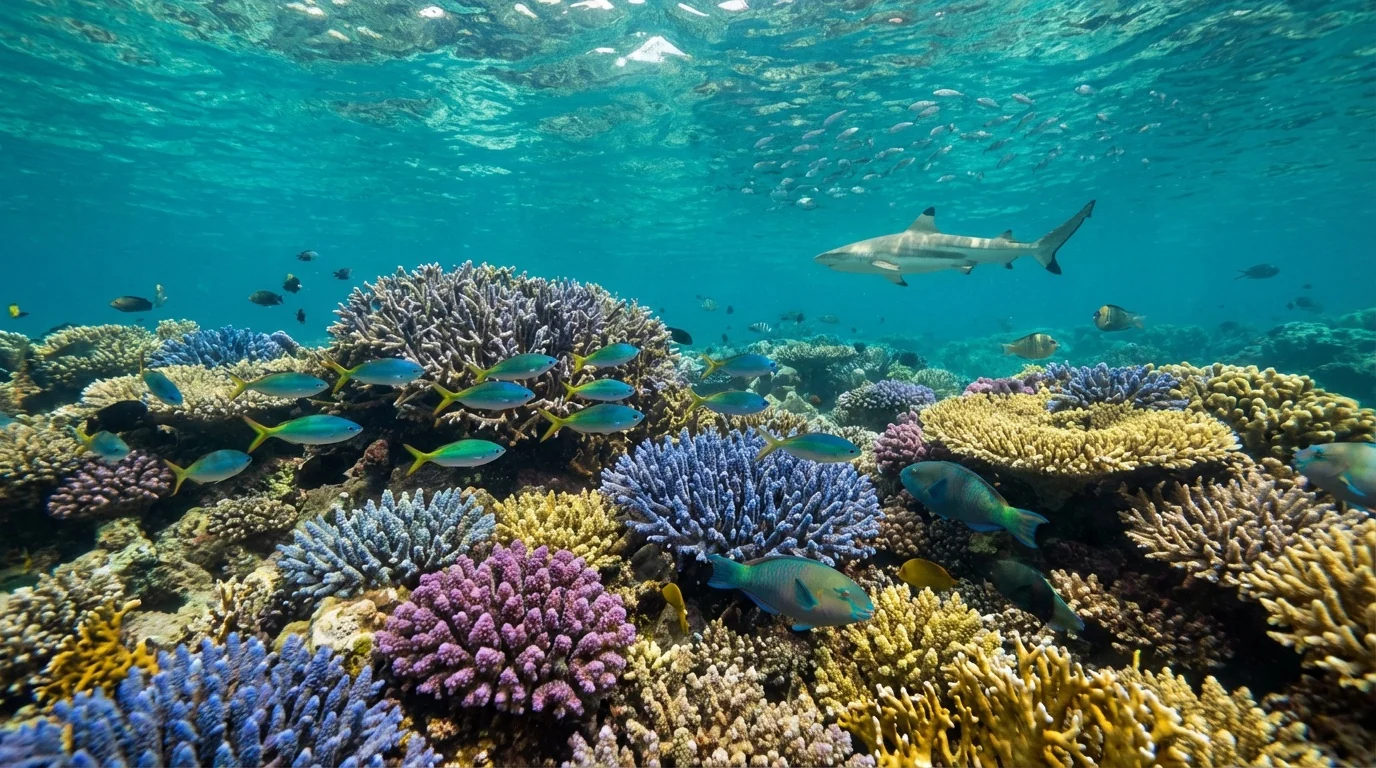
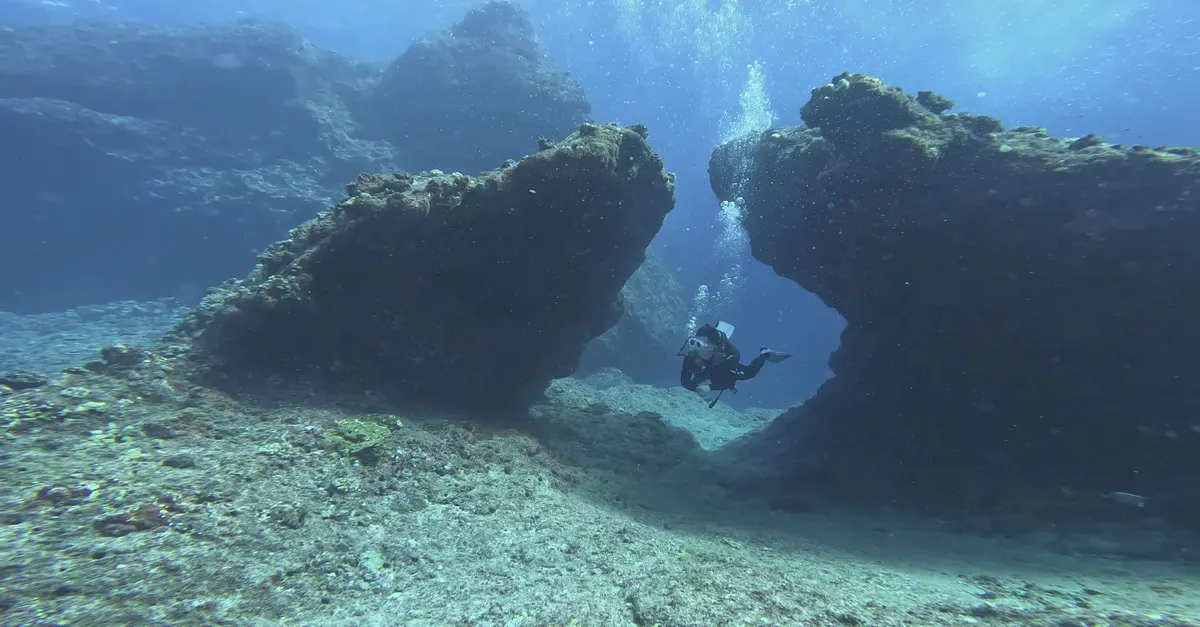
HMS Hermes lies 53 meters below the surface, nine nautical miles from Trincomalee harbor—the deepest diveable aircraft carrier wreck on Earth. Sunk by Japanese bombers in April 1942, the 182-meter hull now shelters barracuda schools, reef sharks, and encrusting coral colonies. Advanced Open Water certification and nitrox training are mandatory for descent to the flight deck. Swami Rock's submerged cliffs drop vertically to 30 meters, their walls punctuated by swim-throughs and overhangs where moray eels and lionfish shelter. The site sits less than two kilometers offshore, making it accessible for morning dives when easterly winds remain calm. Beginner divers stay above 18 meters along the upper reef shelf, while advanced groups explore the deeper fissures where whitetip reef sharks rest in sandy pockets. Pigeon Island's northern reef extends 400 meters from the beach, a shallow coral garden in two to twelve meters of water. Blacktip reef sharks patrol the outer edge at high tide; parrotfish and surgeonfish graze the coral throughout the day. The site requires no boat—divers wade from the sand—but the island's marine national park status means entry permits must be arranged through a registered dive operator. Visibility here peaks between 08:00 and 11:00 before afternoon swells stir the shallow sand. Foul Point and Cemetery Reef lie south of the harbor, known for granite boulders colonized by soft corals and gorgonians. Currents here are unpredictable; dive shops schedule trips based on tide tables rather than fixed departure times. The eastern coast's dry season runs April through September, when the sea remains flat and visibility exceeds 20 meters on most mornings. October through March brings rougher conditions and reduced clarity as monsoon runoff reaches the coast.

“HMS Hermes lies 53 meters below the surface—the deepest diveable aircraft carrier wreck on Earth.”
What to see

Notable Trincomalee Diving Sites and Underwater Features

The waters off Trincomalee feature diverse underwater topography, ranging from coral-rich rocky outcrops to historic shipwrecks. These sites provide habitats for a variety of marine species and offer distinct exploration experiences for divers.

Swami Rock

Swami Rock

Located near the Koneswaram Temple, this site features large underwater rock formations and steep drop-offs that attract schools of reef fish and occasional sightings of stingrays.

Observe the transition from shallow coral areas to deeper rock walls.
Sanyati

Sanyati

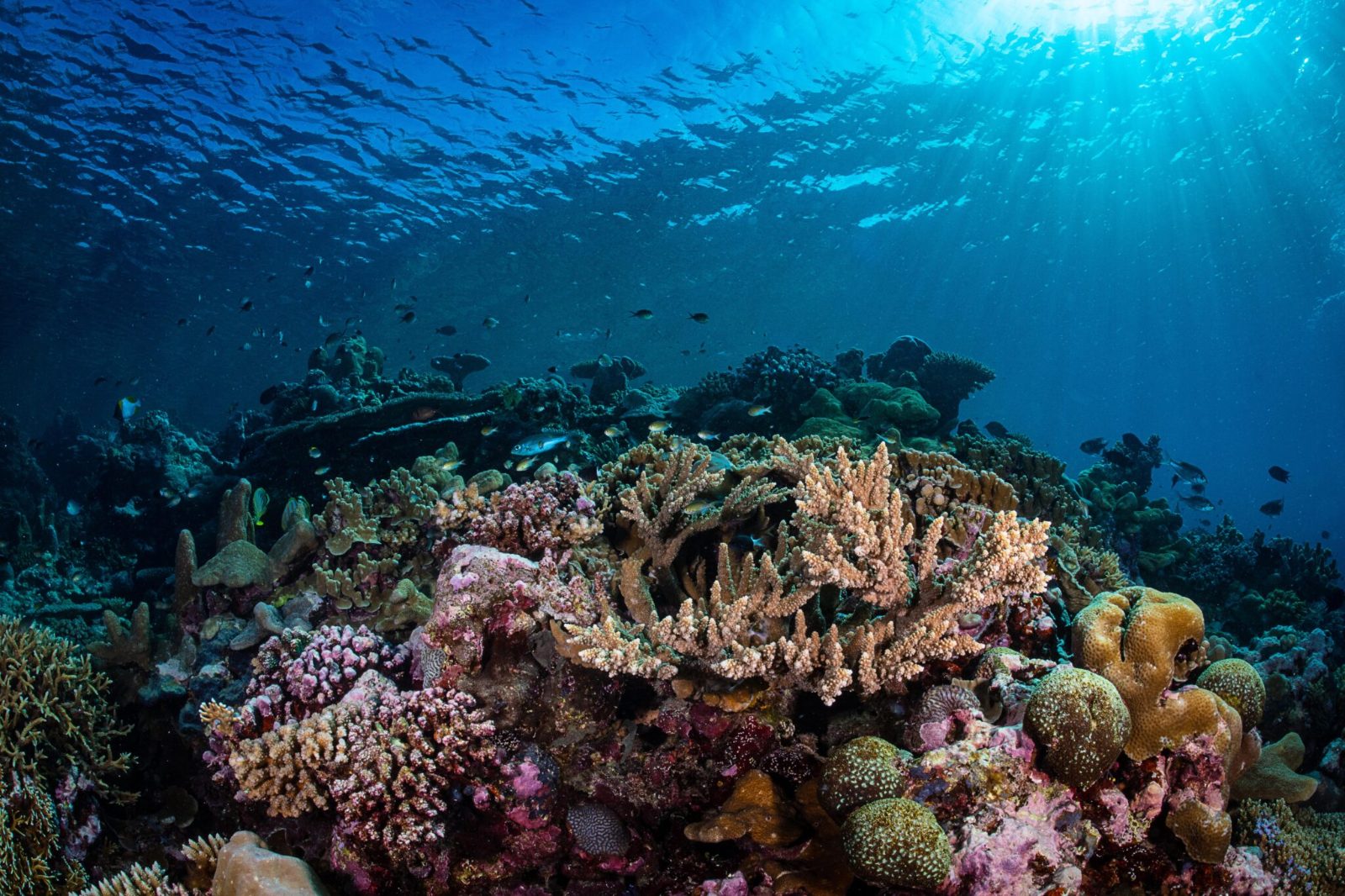
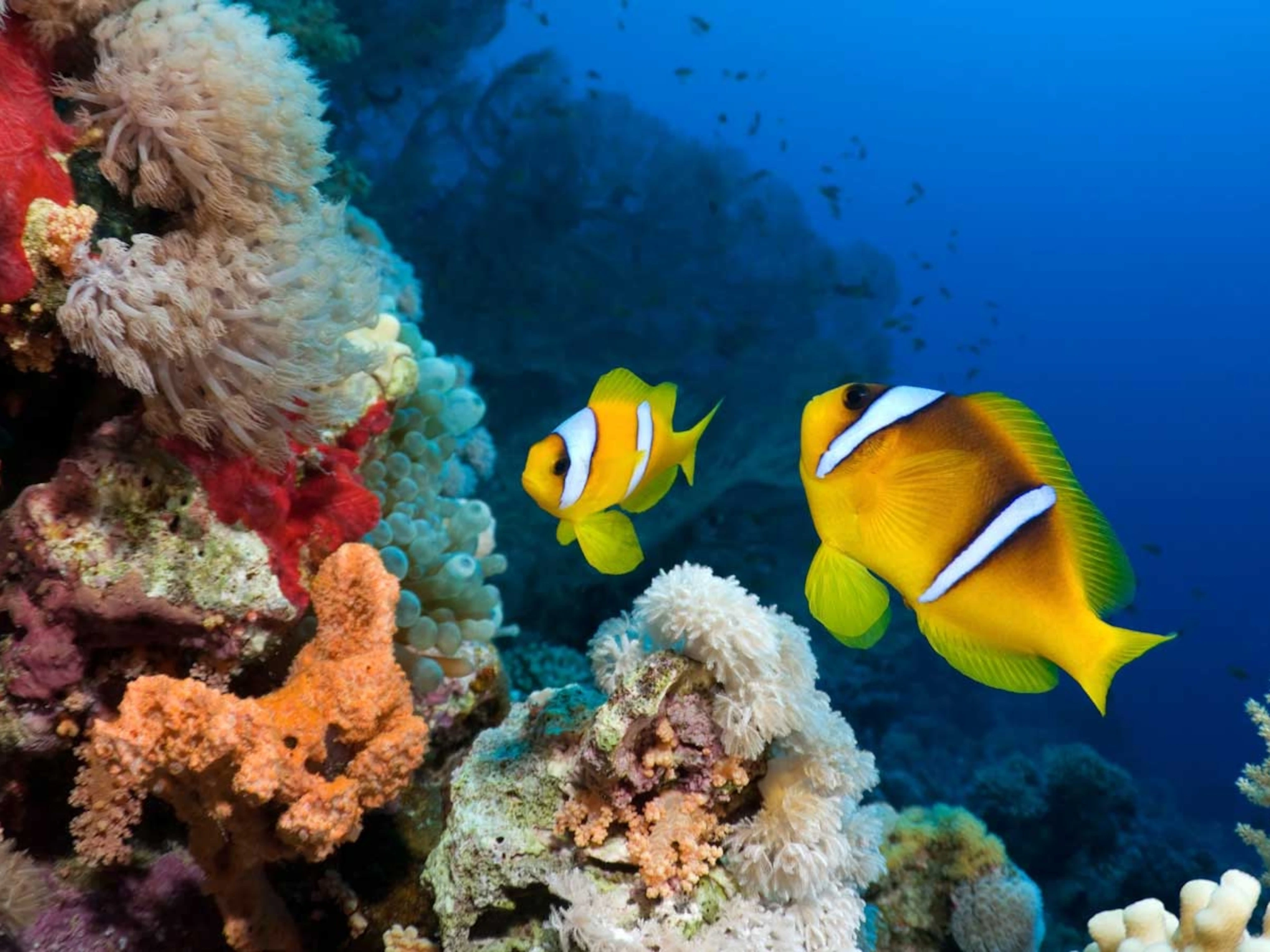
This site consists of a coral-covered rocky reef that provides shelter for diverse marine life, including groupers and moray eels.

Explore the smaller crevices to find hidden crustacean species.

Irakkandy Shipwreck

Irakkandy Shipwreck

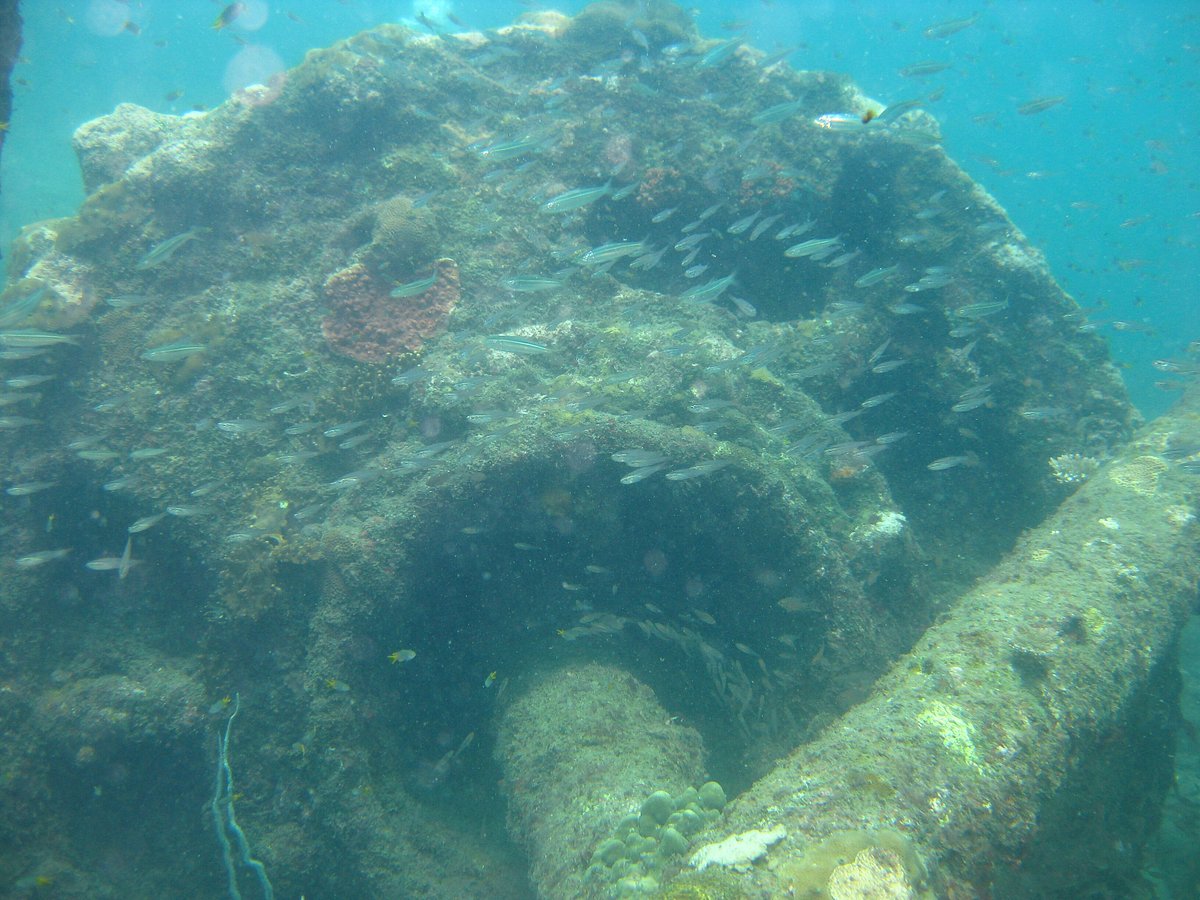
A historic wreck resting on the seabed, this site is characterized by its structural remnants that have become an artificial reef.

Maintain neutral buoyancy to avoid contact with the metal structure.

Dutch Bank

Dutch Bank

A deep reef formation extending over a wide area, known for its healthy coral cover and frequent visits by pelagic species.

Check the perimeter of the reef for larger passing fish.

Opening hours

Daily Operating Schedule for Trincomalee Diving Sites

Diving operations in Trincomalee follow a consistent daily schedule to facilitate underwater activities. Services are available seven days a week.

Monday
08:00–17:00
Tuesday
08:00–17:00
Wednesday
08:00–17:00
Thursday
08:00–17:00
Friday
08:00–17:00
Saturday
08:00–17:00
Sunday
08:00–17:00
All diving excursions should be arranged in coordination with local service providers within these operating hours.
Prices

Entrance Fees and Costs at Trincomalee Diving Sites

There is no entrance fee required to access diving sites in Trincomalee. All associated costs are strictly service-based fees charged by local dive operators for equipment, boat transport, and professional guiding.

Site Access No entry fee for diving sites
0 LKR
Dive Operator Services Costs apply to dive shop service packages
Variable
Access to the underwater sites is free of charge for all visitors.

Verdict: While site access is 0 LKR, visitors pay for dive shop service packages, which vary based on equipment requirements and dive location.

Checklist

Essential Preparation for Trincomalee Diving Sites

Diving in Trincomalee requires proper certification, medical fitness, and advance coordination with local dive operators.

Nearby

Combining Your Visit to Trincomalee Diving Sites

The coastal location of Trincomalee diving sites allows for a seamless transition from underwater exploration to the region's historical landmarks. Visitors often combine morning dives with cultural visits to sites located on the nearby peninsula.

Koneswaram Temple

Koneswaram Temple

15 min drive

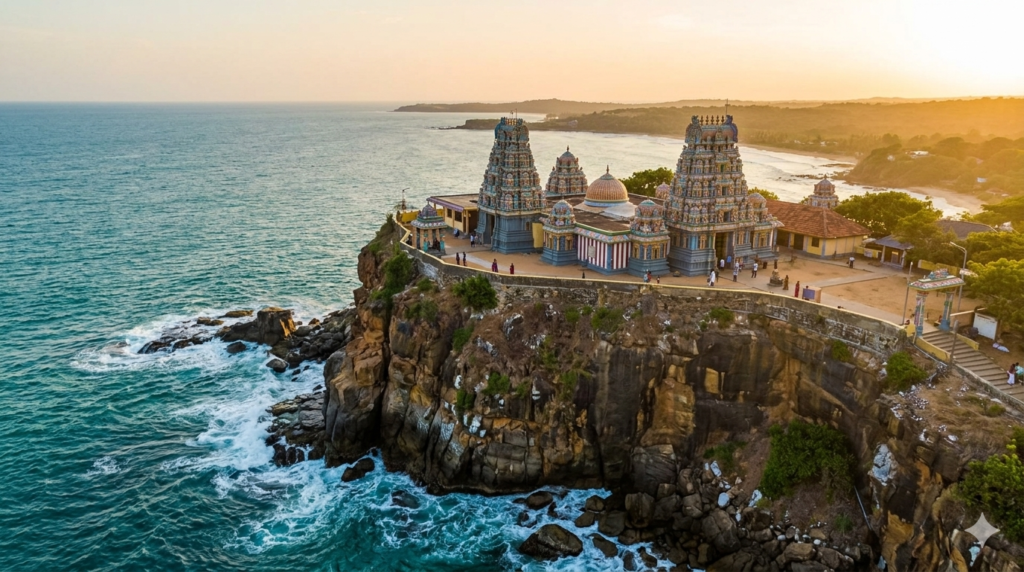
Located on Swami Rock, this temple offers panoramic views of the ocean where many divers head out each morning.

Fort Frederick

Fort Frederick

10 min drive

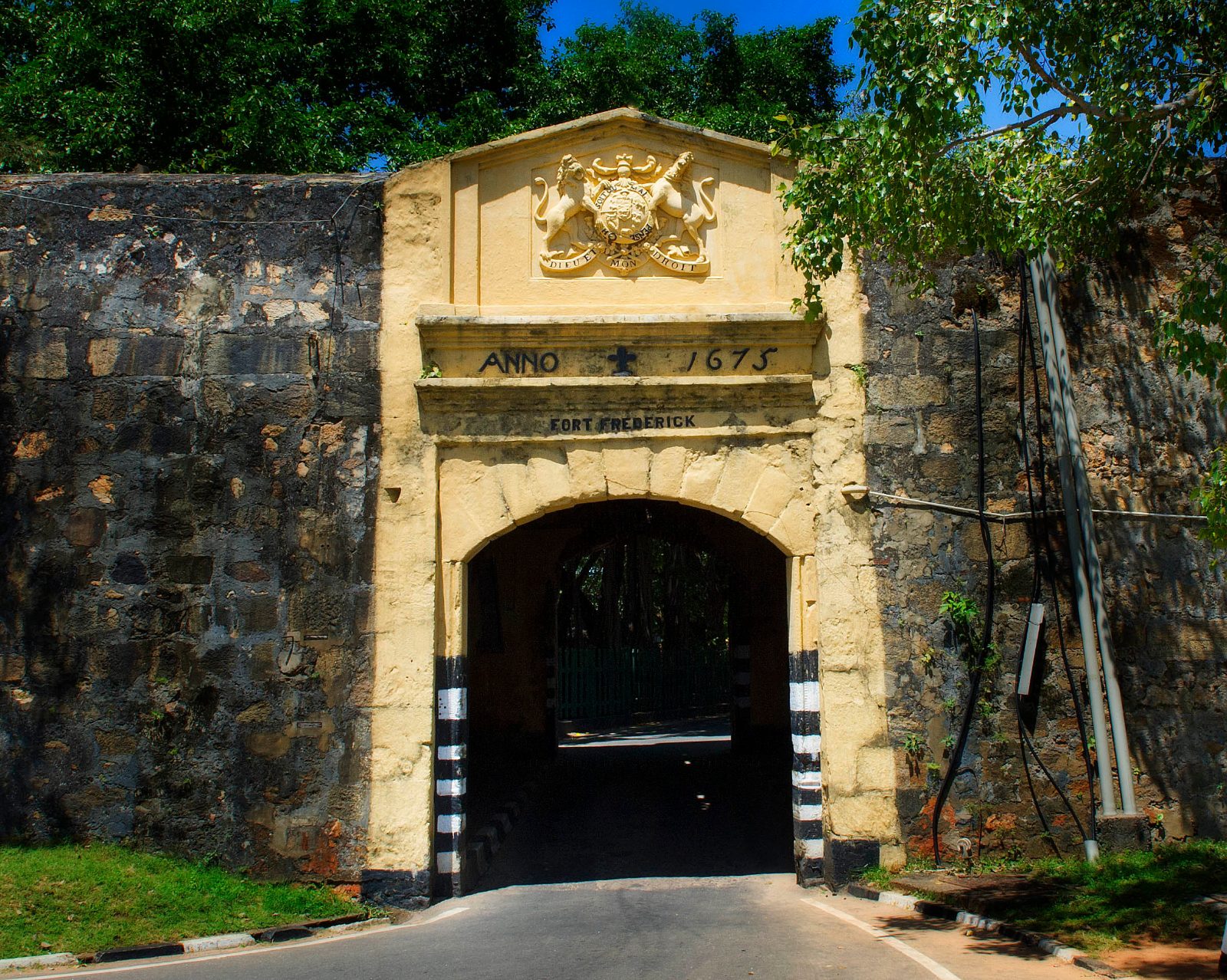
This historic fort provides a calm walking environment adjacent to the diving departure points.

Dutch Bay

Dutch Bay

5 min drive

This area is situated close to the primary harbor facilities, making it a convenient stop for a post-dive meal.

Book

Check availability

Frequently asked

Frequently asked questions about trincomalee diving sites

Everything you need to know about trincomalee diving sites

Are there entrance fees for trincomalee diving sites?

There is no entry fee for diving sites themselves as costs only apply to dive shop service packages. You may plan your budget accordingly knowing that public access to the water is free.

When is the best time to visit trincomalee diving sites?

The best arrival window for trincomalee diving sites is 08:00–11:00 to ensure optimal water visibility and calmer sea conditions. Arriving during this period helps you avoid the stronger afternoon winds that can affect underwater clarity.

What is the typical experience level for Trincomalee scuba locations?

Trincomalee scuba locations cater to various skill levels ranging from complete beginners to experienced technical divers. Local dive operators assess your certification level before recommending specific reefs or shipwrecks.

Can children participate in diving activities?

Children can often participate in introductory programs or snorkeling, provided they meet the age and safety requirements set by local dive operators. It is recommended to check with a certified center to discuss junior training or bubble-maker sessions.

What should I bring to these Indian Ocean dive spots?

For your excursion to these Indian Ocean dive spots, bring your certification card, logbook, and personal swimwear. Most service centers provide essential scuba gear such as regulators, buoyancy compensators, and fins for rent.

Do trincomalee diving sites remain open year-round?

While operations occur daily between 08:00 and 17:00, the feasibility of visiting trincomalee diving sites depends on seasonal weather patterns. It is always wise to consult with local professionals regarding current maritime conditions before heading out.

How do I reach the most popular underwater zones?

Most visitors access the water via boat excursions organized by local dive shops located along the coast. These professionals handle all transport logistics to ensure you arrive at the designated reefs or historical shipwrecks safely.

Keep reading

More guides & pages