2 hr 30 min
Trincomalee-Nilaveli Scuba Diving Adventure
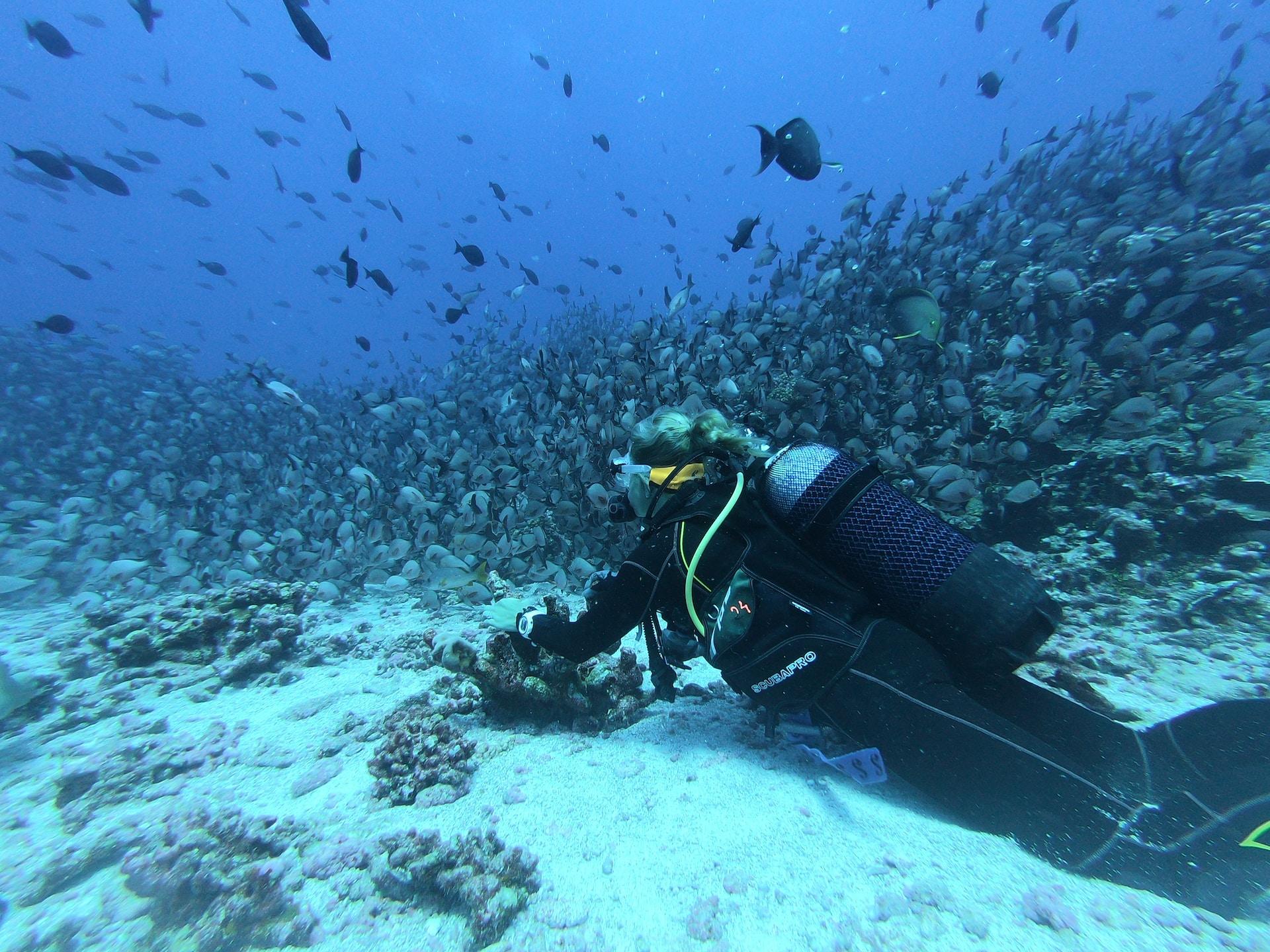
Explore Sri Lankan waters with two guided dives, historic wrecks, and vibrant coral reefs at depths from 10 to 40 meters.
Reserve
Hand-picked by our editors — only the best 5 dive experiences from 18 reviewed.
Verified partners for every tour, free cancellation where available, and instant confirmation on every booking.
2 hr 30 min
Explore Sri Lankan waters with two guided dives, historic wrecks, and vibrant coral reefs at depths from 10 to 40 meters.
Reserve
3 hr
Explore historic wrecks and vibrant reefs in one of Sri Lanka's premier diving destinations
Reserve
3 hr
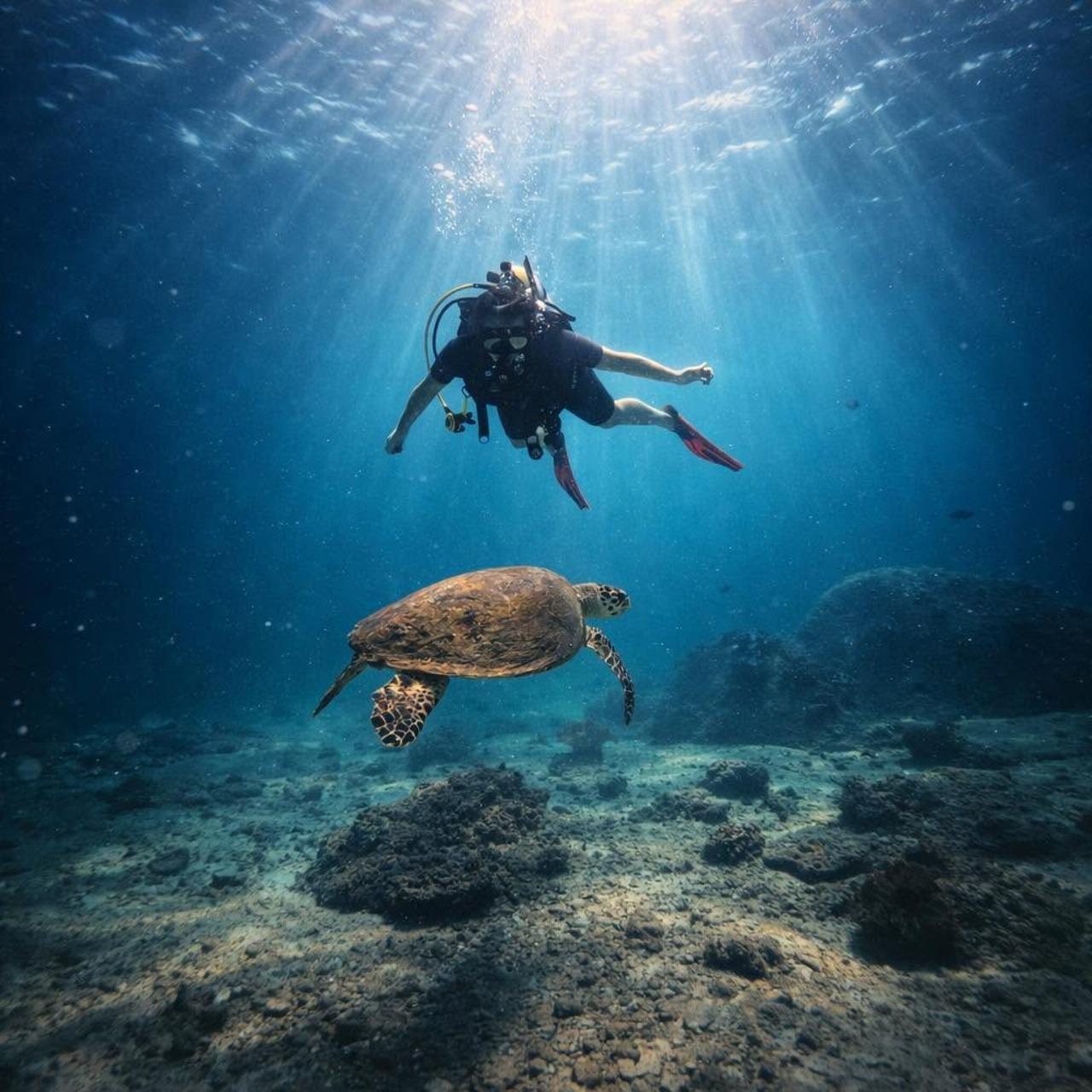
Discover vibrant reefs and swim with sea turtles at Sri Lanka's premier marine sanctuary
ReservePrices from verified partners. Availability updates in real time at checkout. Free cancellation policies apply where shown.
The landmarks, rooms, and views travelers on this tour remember — all visible on a single visit.
This legendary WWII aircraft carrier sits at 45–54 meters, making it an advanced bucket-list site.
Opened in 2020, this site features sunken structures evolving into a thriving artificial reef.
Also known as the Irakkandy Wreck, this 18th-century steamship lies in shallow, beginner-friendly waters.
Located near the Koneswaram Temple, these underwater cliffs offer dramatic topography and frequent turtle sightings.
Though a reef site, it is often paired with afternoon wreck excursions to provide a complete coastal experience.
The HMS Hermes is the preferred choice for advanced technical divers seeking profound historical impact, while trincomalee wreck diving offers more approachable, shallow exploration for recreational enthusiasts.
| Feature | Top pick Trincomalee Wreck Diving | Batticaloa Wreck Diving (HMS Hermes) |
|---|---|---|
Target Audience |
Recreational divers | Advanced technical divers |
Maximum Depth |
12–25 meters | 40–53 meters |
Historical Significance |
Cargo and local vessels | World War II aircraft carrier |
Visibility Conditions |
Moderate to high | Variable; often low |
Current Strength |
Low to moderate | Strong currents |
Certification Level Required |
Advanced Open Water | Technical / Decompression diver |
| See tickets → |
Verdict: For those securing trincomalee wreck diving tours, expect accessible sites suitable for varied experience levels, whereas the HMS Hermes requires specialized training to navigate its depth and historical complexity.
Choose your ticket, select your date, and reserve in under two minutes. Secure checkout handled by our verified partner.
Instant confirmation by email, with a mobile voucher you can save offline. No printing, no queuing at a collection desk.
Arrive at the entrance, show your voucher on your phone, and walk in. Most tickets include priority or skip-the-line access.
Practical details for your visit straight from our verified partners — hours, access, rules, and how to get there.
Wear comfortable swimwear and UV-protective clothing for boat transit. Modest attire is required when visiting town or nearby temple sites after your trincomalee wreck diving session.
Keep valuables in a dry bag during boat travel to wreck sites. Secure your belongings at the dive center before departing for trincomalee wreck diving tours.
Underwater cameras are recommended for documenting trincomalee wreck diving sites. Ensure your housing is depth-rated for the specific wreck depth, such as the 18m Navy Underwater Dive Museum.
Most trincomalee wreck diving activities require basic swimming ability and physical fitness. Advanced wreck sites may necessitate specific PADI or equivalent certification levels.
While deeper trincomalee wreck diving is for experienced adults, shallow coral sites near these wrecks are often suitable for families. Consult local operators to match skill levels.
Bring plenty of water and light snacks for your boat journey. Many operators include refreshments, but verify this when booking your trincomalee wreck diving tour.
Best time to go, insider tips, nearby landmarks, and the cancellation fine print — flip through to skim what matters to you.
Flexible, no hidden fees.
Cancellations for trincomalee wreck diving tours must be processed through your private operator. Please check your specific provider's policy regarding the 0 USD entrance fee and equipment deposit requirements.
HMS Hermes, the world's first purpose-built aircraft carrier, lies 53 metres beneath the surface seventeen nautical miles northeast of Trincomalee, torpedoed by Japanese dive bombers on 9 April 1942. The 182-metre hull rests upright on a sandy seabed, its flight deck now a ribbon of coral and its bridge home to schools of barracuda and trevally. Trincomalee's natural deep-water harbour sheltered British, Dutch, and Portuguese fleets across four centuries, and the wrecks scattered along its approaches form one of the Indian Ocean's densest concentrations of diveable military history. Beyond Hermes, divers descend to the British Sergeant, a 140-metre cargo steamer sunk in the same 1942 raid, its holds now colonised by lionfish and moray eels, and the Boiler Wreck, an unidentified merchant vessel lying at 18 metres whose twin boilers rise like monuments from the reef. Trincomalee wreck diving operates year-round, though the northeast monsoon from October to March occasionally limits offshore access. Visibility peaks between April and September, reaching 25 to 30 metres on calm days, and water temperature holds steady at 27 to 29 degrees Celsius. The harbour's position on Sri Lanka's northeast coast places it at the intersection of seasonal currents that bring nutrient-rich water and pelagic species—whale sharks, manta rays, and spinner dolphins are sighted with regularity during surface intervals. Most operators run two-tank morning dives departing Nilaveli or Uppuveli between 06:00 and 08:00, with Hermes reserved for advanced divers holding Deep Specialty or equivalent certification. The British Sergeant and Boiler Wreck are accessible to Open Water divers, and several operators offer wreck orientation courses that include penetration training on the shallower sites. The region's dive infrastructure expanded significantly after the conclusion of Sri Lanka's civil conflict in 2009, when Trincomalee's eastern coastline reopened to civilian tourism. By 2026, five PADI- and SSI-certified dive centres operate from Nilaveli Beach, offering Nitrox fills, technical diving support, and multilingual divemasters. The Sri Lankan Navy, which maintains an active base at the harbour's southern entrance, coordinates wreck site access and enforces a 50-metre exclusion zone around Hermes to protect the site's status as a war grave. Trincomalee wreck diving tours typically bundle boat transfer, two dives, equipment, and lunch for rates starting around 120 USD per person, with Hermes expeditions commanding a premium due to the longer boat journey and technical demands of the descent.

"HMS Hermes rests upright at 53 metres, its flight deck now a ribbon of coral and its bridge home to schools of barracuda."
A step-by-step walkthrough of the visit — what you'll see, how long each stage takes, and the details that matter.
You board a rigid-hull inflatable at Nilaveli Beach at 06:30, the sky still pale over the Bay of Bengal, and motor northeast past Pigeon Island's twin granite humps. The ride to the British Sergeant takes forty minutes; you kit up during the crossing, checking your depth gauge and securing your torch to a D-ring. At the mooring buoy the divemaster briefs the descent plan—follow the line to the seabed at 24 metres, then swim north along the hull toward the bow, where the cargo holds open to the current. You roll backward, equalise, and drop through the thermocline at twelve metres, the water turning from turquoise to cobalt. The wreck materialises below you, a dark ridge extending into the blue, and you land on the sand beside the stern deck. Lionfish hover in the doorways; a lone turtle glides over the mast. You peer into the forward hold, your torch beam catching the glint of copper fittings, then ascend along the starboard rail, pausing at five metres for your safety stop while a school of fusiliers streams past. Back on the boat you strip your wetsuit and drink sweet tea, the sun now high, before the second dive at the Boiler Wreck, where you navigate the twin iron cylinders and photograph nudibranchs on the encrusted metal.
Diving operators typically coordinate trips between 06:00 and 22:00. Morning departures are best for optimal visibility at wreck sites.
While some wrecks like the SS Ava are suitable for novices, deeper sites like the HMS Hermes require advanced certification.
The ideal window for trincomalee wreck diving is May to October when seas are calmest and visibility is at its peak.
There is a 0 USD entrance fee to the sea, though you must pay for services booked through private operators.
Yes, you can choose between beginner-friendly coastal wrecks and advanced technical dives at historic sites.
Many travelers combine morning boat trips for trincomalee wreck diving with afternoon whale watching or reef snorkeling.
Tickets are purchased directly through private dive schools; verify your slot by calling +94775111948.
Photography is encouraged, provided you have the appropriate underwater gear and respect the historical integrity of the sites.
Most operators provide water, but you should bring snacks; there are many local eateries along the Trincomalee coast.
Cancellation policies are determined by your private operator; always confirm their terms at the time of booking.