3 hr
Trincomalee Scuba Diving Adventure
Explore historic WWII wrecks and vibrant coral reefs in one of Sri Lanka's premier diving destinations
Reserve
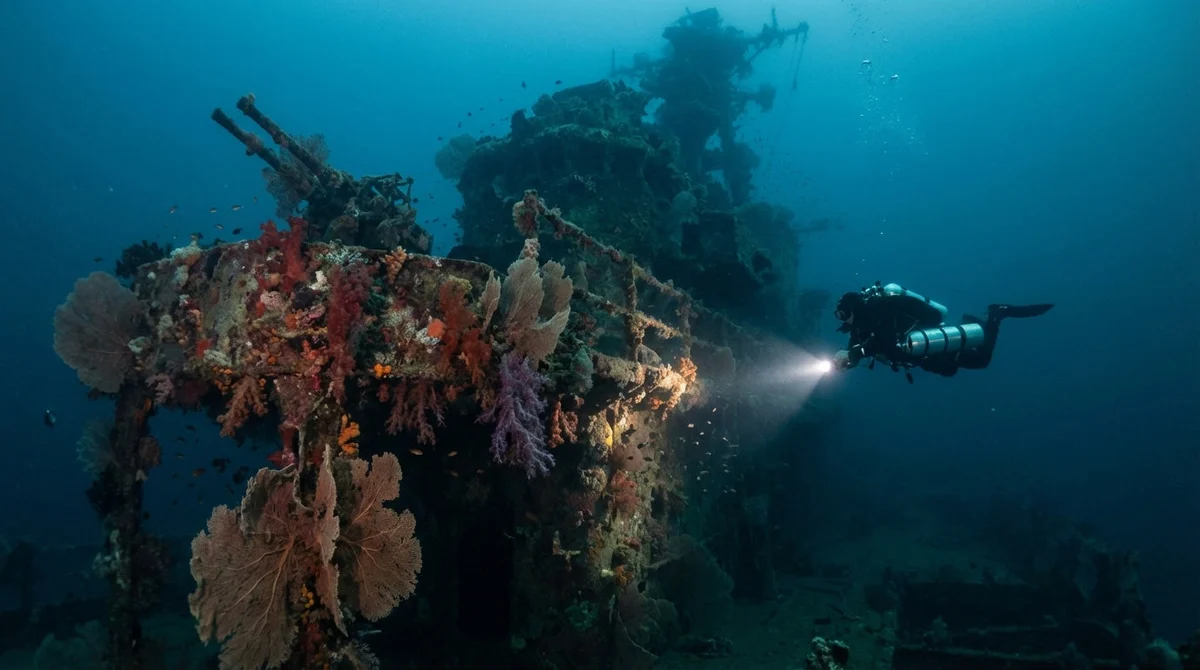
Where coral gardens meet HMS Hermes, the deepest carrier wreck on earth
Hand-picked by our editors — only the best 6 dive operators from 14 reviewed.
Verified partners for Trincomalee Diving tours, free cancellation where available, and instant confirmation on every booking.
3 hr
Explore historic WWII wrecks and vibrant coral reefs in one of Sri Lanka's premier diving destinations
Reserve
2 hr 30 min
Two-tank dive adventure exploring shipwrecks, coral gardens, and marine life at depths from 10 to 40 meters
Reserve
8 hr
Dive into crystal-clear waters teeming with reef sharks, sea turtles, and tropical fish at Sri Lanka's premier marine park
ReservePrices from verified partners. Availability updates in real time at checkout. Free cancellation policies apply where shown.
The landmarks, rooms, and views travelers on Trincomalee Diving tours remember — all visible on a single visit.
This site features a nursery slope and ancient sunken statues of gods.
A protected marine national park famous for vibrant coral reefs and sharks.
A historic World War II aircraft carrier wreck for advanced divers.
A deep diving site reaching 33 meters suitable for experienced adventurers.
A shallow, calm area perfect for novice divers and snorkeling.
Every Trincomalee Diving tour side-by-side — duration, what's included, how you redeem.
| Experience | Duration | Rating | Transfers | Skip-the-line | Guide | Free cancel. | Price | |
|---|---|---|---|---|---|---|---|---|
|
Standard Entry Most popular
Trincomalee Scuba Diving Adventure
|
3 hr | ★ 4.6 | — | — | — | ✓ | $111 | Book → |
|
Standard Entry
Trincomalee-Nilaveli Scuba Diving Adventure
|
2 hr 30 min | ★ 5.0 | — | — | — | ✓ | $140 | Book → |
|
Guided Experience
Pigeon Island Scuba Diving Adventure
|
8 hr | — | ✓ | ✓ | ✓ | ✓ | $110 | Book → |
All prices from verified partners. Availability and exact terms confirmed at checkout.
They complement each other, but the east coast offers superior reef exploration while the south coast excels in wreck exploration; most visitors choose based on the prevailing monsoon.
| Feature | Top pick Trincomalee | Hikkaduwa |
|---|---|---|
Best Season |
March to October | November to April |
Main Marine Life |
Whale sharks and coral | Sea turtles and reef fish |
Typical Currents |
Generally mild | Moderate to strong |
Accessibility from Colombo |
6–7 hours by road | 2–3 hours by road |
Average Underwater Visibility |
15–30 meters | 10–20 meters |
| See tickets → |
Verdict: Choose trincomalee diving for expansive coral reefs and pelagic encounters, or select the south coast for accessible, varied shipwreck trincomalee diving tours.
Choose your ticket, select your date, and reserve in under two minutes. Secure checkout handled by our verified partner.
Instant confirmation by email, with a mobile voucher you can save offline. No printing, no queuing at a collection desk.
Arrive at the entrance, show your voucher on your phone, and walk in. Most tickets include priority or skip-the-line access.
Practical details for Trincomalee Diving tickets straight from our verified partners — hours, access, rules, and how to get there.
Wear modest beach attire when off the water in Trincomalee. A rash guard or swimsuit is recommended for all trincomalee diving sessions.
Keep valuables secure at your dive center. National park areas like Pigeon Island prohibit single-use plastics.
Underwater photography is encouraged for your trincomalee diving tour. Most centers provide digital files free of charge.
Diving requires basic swimming confidence. Professional trincomalee diving instructors provide full safety briefings and equipment for beginners.
Mobile phones are permitted. Keep ringer off inside exhibition spaces.
Family-friendly snorkeling is available for those not ready for trincomalee diving. Ensure children meet the minimum age for specialized activities.
Bring your own hydration for longer trincomalee diving tours. Some operators include snacks on boat-based excursions.
Pets are not allowed, with the exception of service animals with appropriate documentation.
Last entry is typically 1 hour before closing. Check the specific ticket for timing.
Best time to go, insider tips, nearby landmarks, and the cancellation fine print — flip through to skim what matters to you.
Flexible, no hidden fees.
Most operators offer flexible terms. Cancel at least 24 hours in advance for a full refund.
HMS Hermes lies fifty-four metres below the Bay of Bengal, the largest aircraft carrier ever sunk by air attack and the deepest diveable carrier wreck in the world.
Torpedoed by Japanese bombers on April 9, 1942, the 182-metre vessel now hosts schools of barracuda, batfish, and reef sharks that weave through its corroded hull plating and collapsed flight deck. The carrier is one of twenty documented wrecks within diving range of Trincomalee, a natural deep-water harbour that served as a Royal Navy base during the Second World War and remains Sri Lanka's busiest dive destination. The Eastern Province coastline offers year-round visibility between fifteen and thirty metres, with calm seas from April through September and a second diving season from October through March when whale migration peaks.
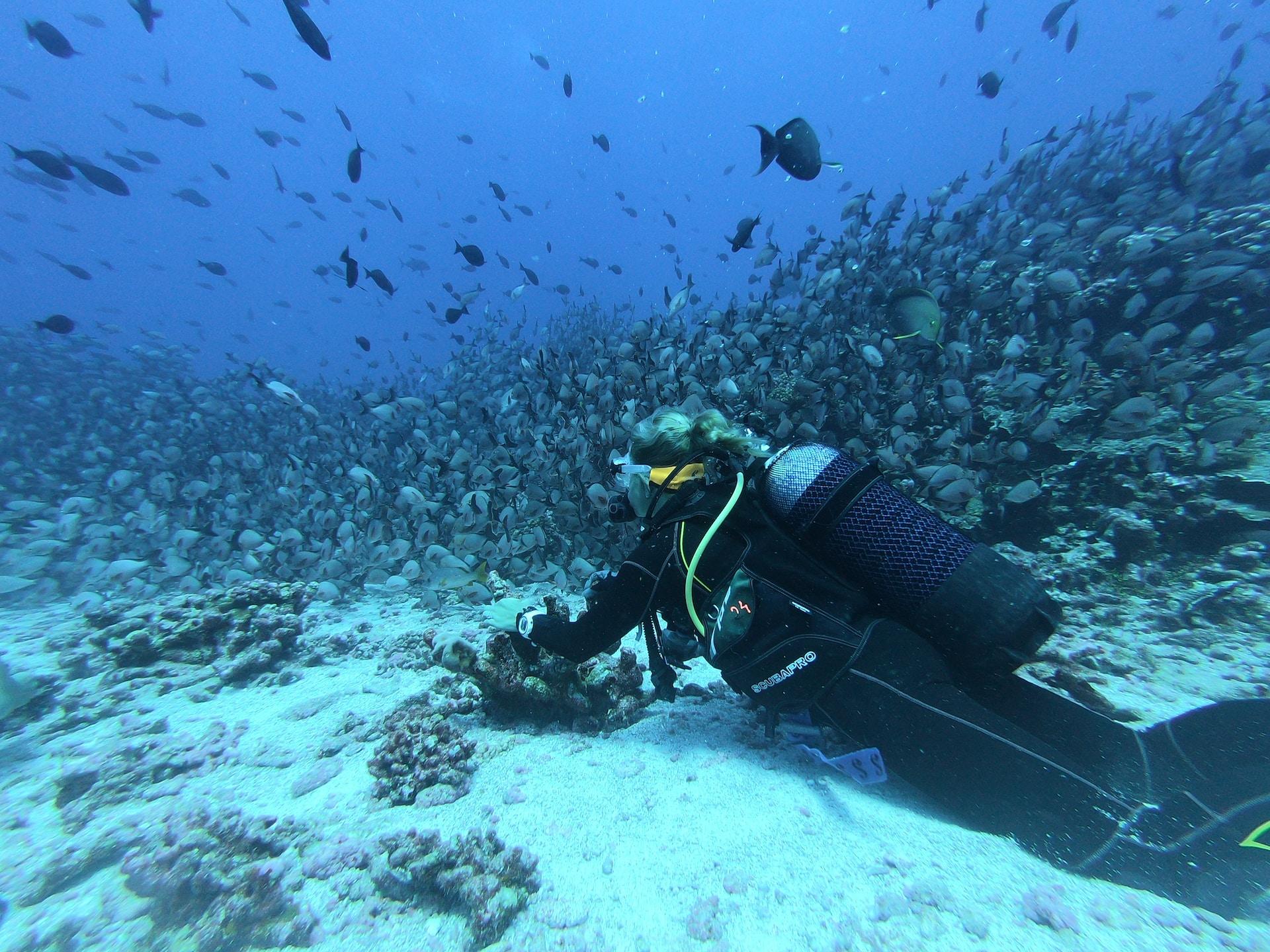
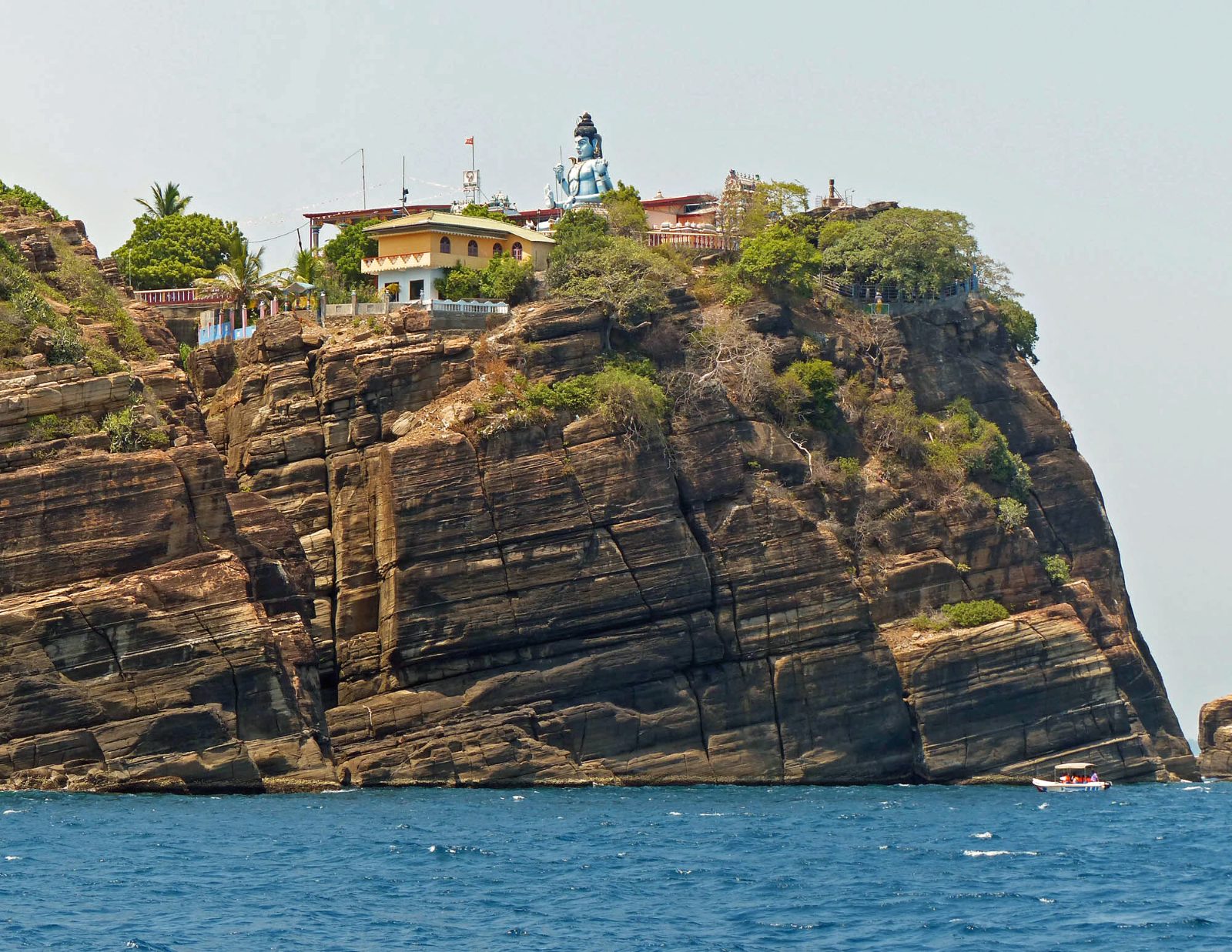
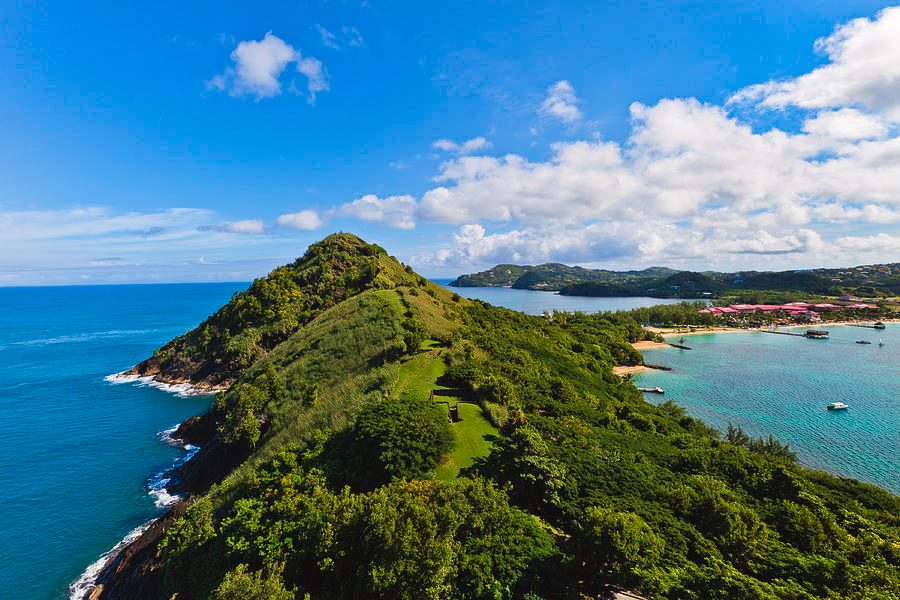
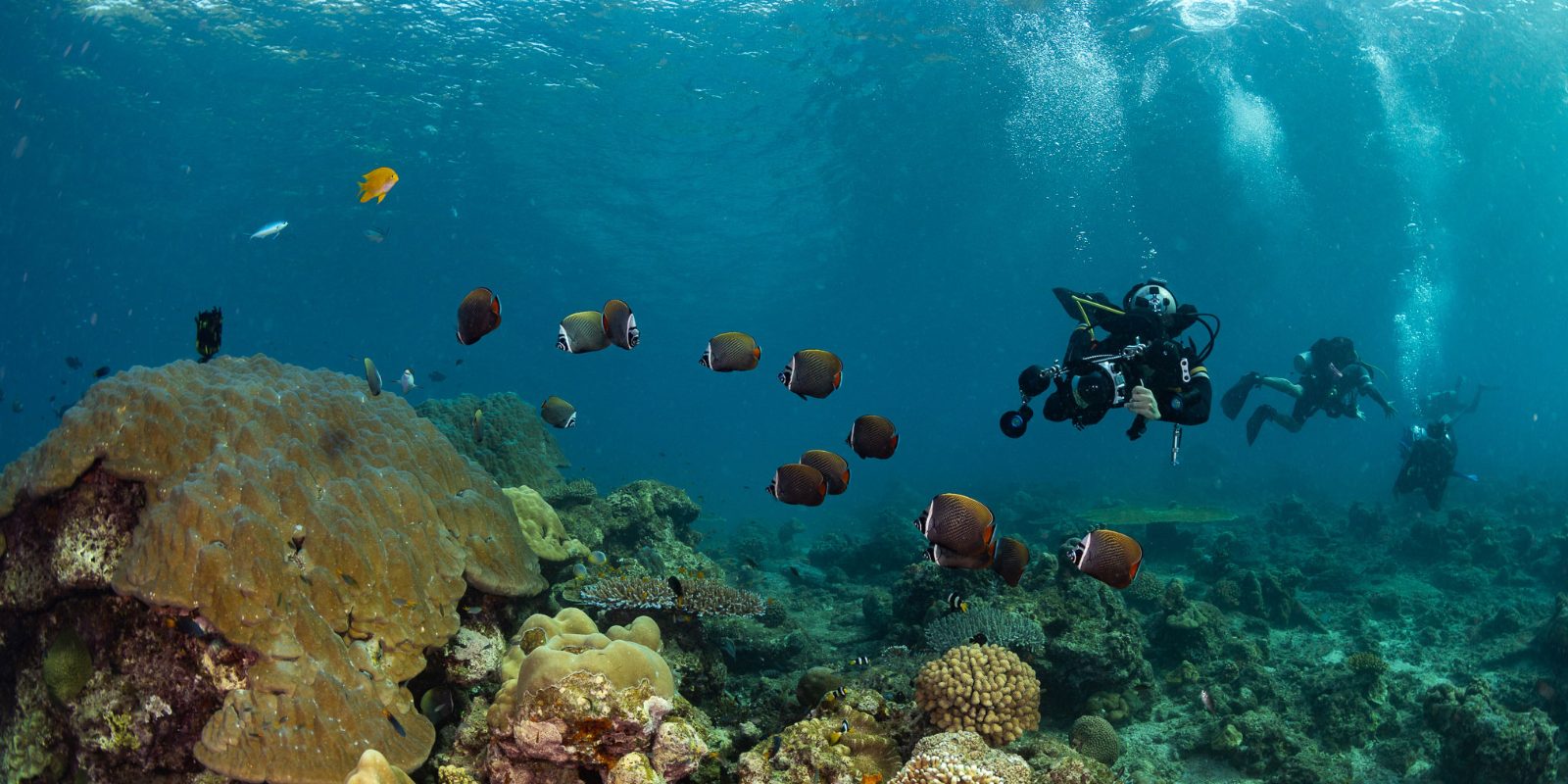
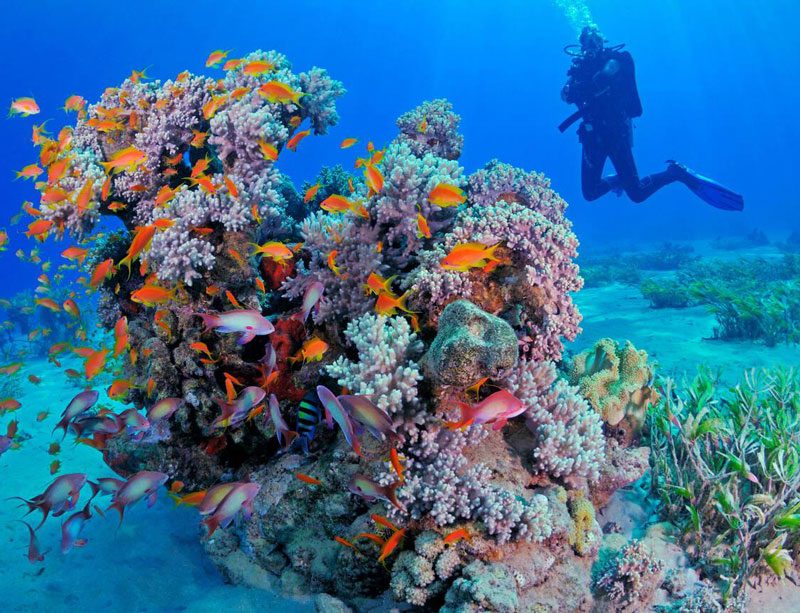
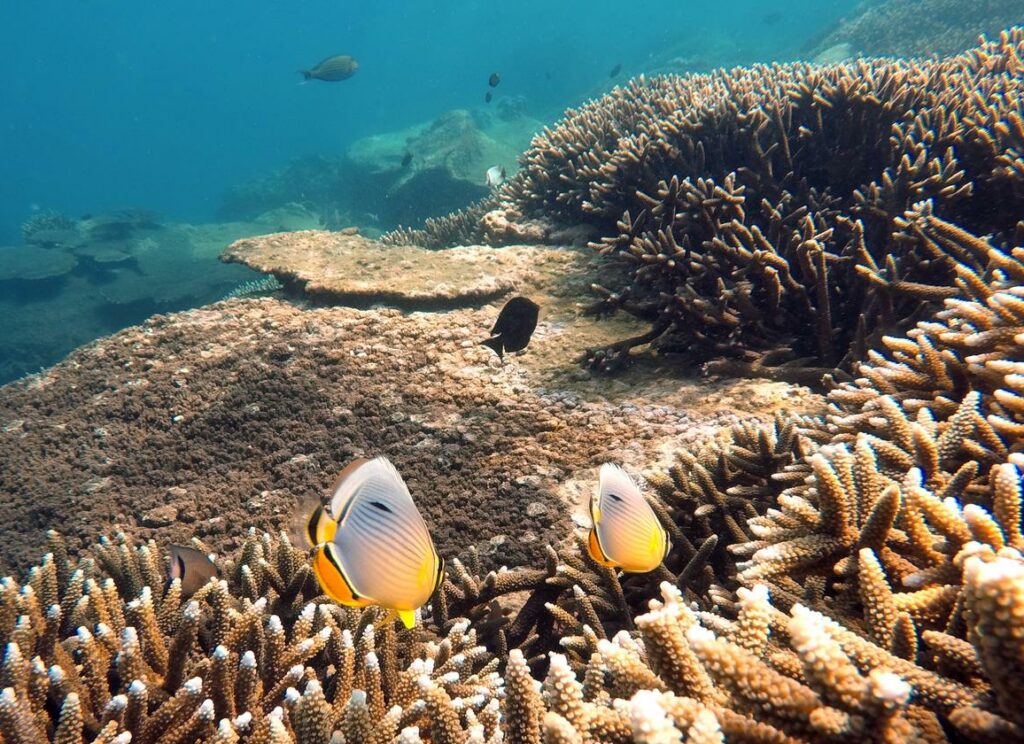
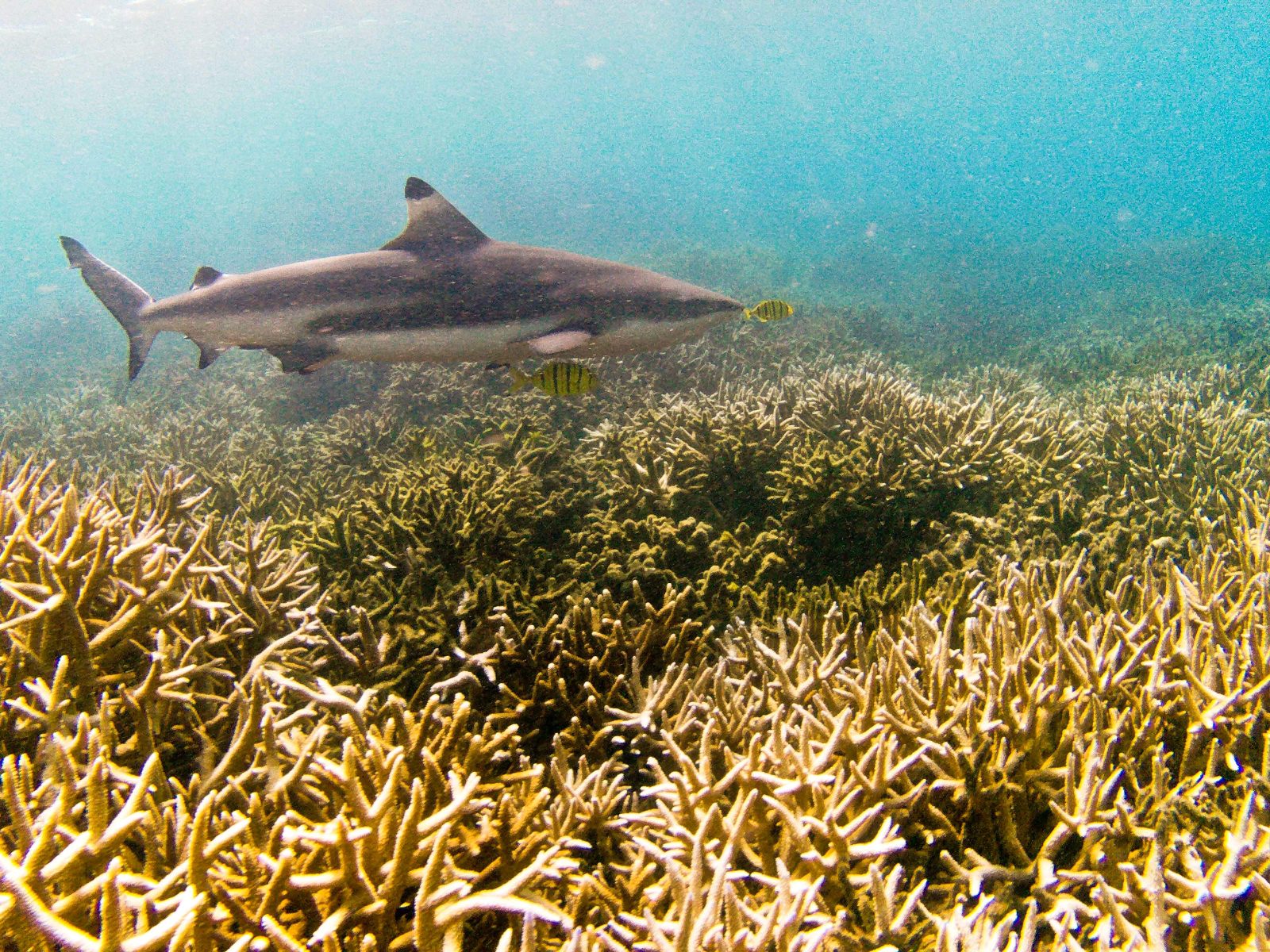
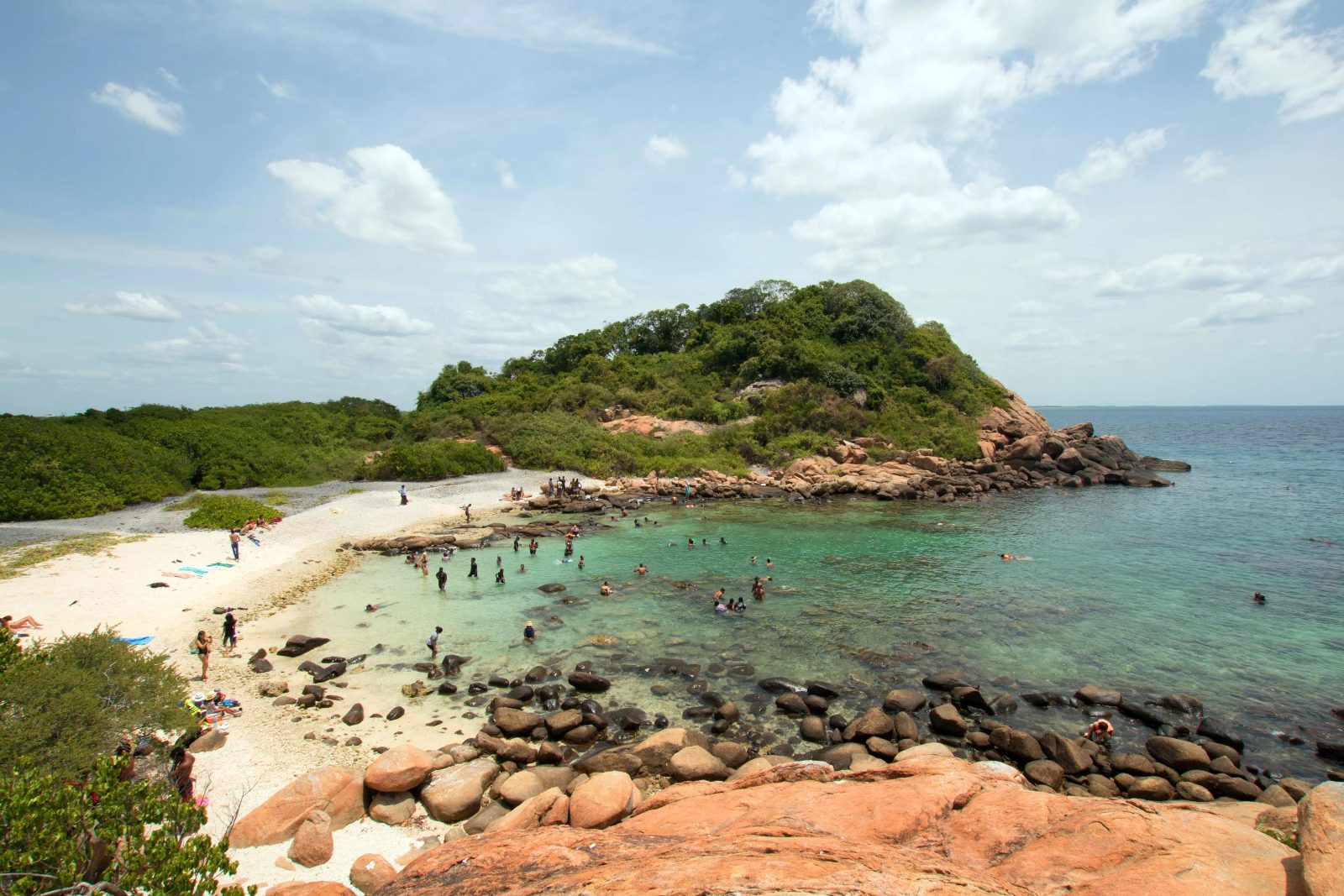
Trincomalee diving sites span three distinct zones. Pigeon Island National Park, two kilometres offshore, protects shallow coral gardens between three and twelve metres where blacktip reef sharks, green turtles, and over three hundred fish species congregate around staghorn and brain coral formations. The HMS Hermes site, eighteen kilometres east, demands advanced certification and surface intervals for decompression but rewards divers with intact gun turrets, propeller shafts, and engine room access. Between these anchors lie mid-depth reefs at Swami Rock and Coral Cove, where soft corals and gorgonian fans carpet granite boulders and volcanic ridges that drop to twenty-five metres. March and April bring blue whales into the bay, creating rare opportunities for whale-watching surface intervals between dives.
The region's dive infrastructure expanded after the civil war's 2009 conclusion, with PADI and SSI centres now operating from Uppuveli and Nilaveli beaches. Most operators run two-tank morning trips departing at dawn to maximise visibility, with afternoon dives reserved for training courses and shallow reef surveys. Water temperature holds steady between twenty-seven and twenty-nine degrees Celsius, eliminating the need for thick wetsuits but requiring attention to thermocline layers below twenty metres. The trincomalee diving season sees its highest demand from June through August when European summer holidays coincide with the southwest monsoon that closes southern Sri Lankan dive sites, redirecting the island's entire diving economy to the sheltered eastern coast.

"HMS Hermes lies fifty-four metres below the Bay of Bengal, the largest aircraft carrier ever sunk by air attack and the deepest diveable carrier wreck in the world."
A step-by-step walkthrough of Trincomalee Diving tickets — what you'll see, how long each stage takes, and the details that matter.
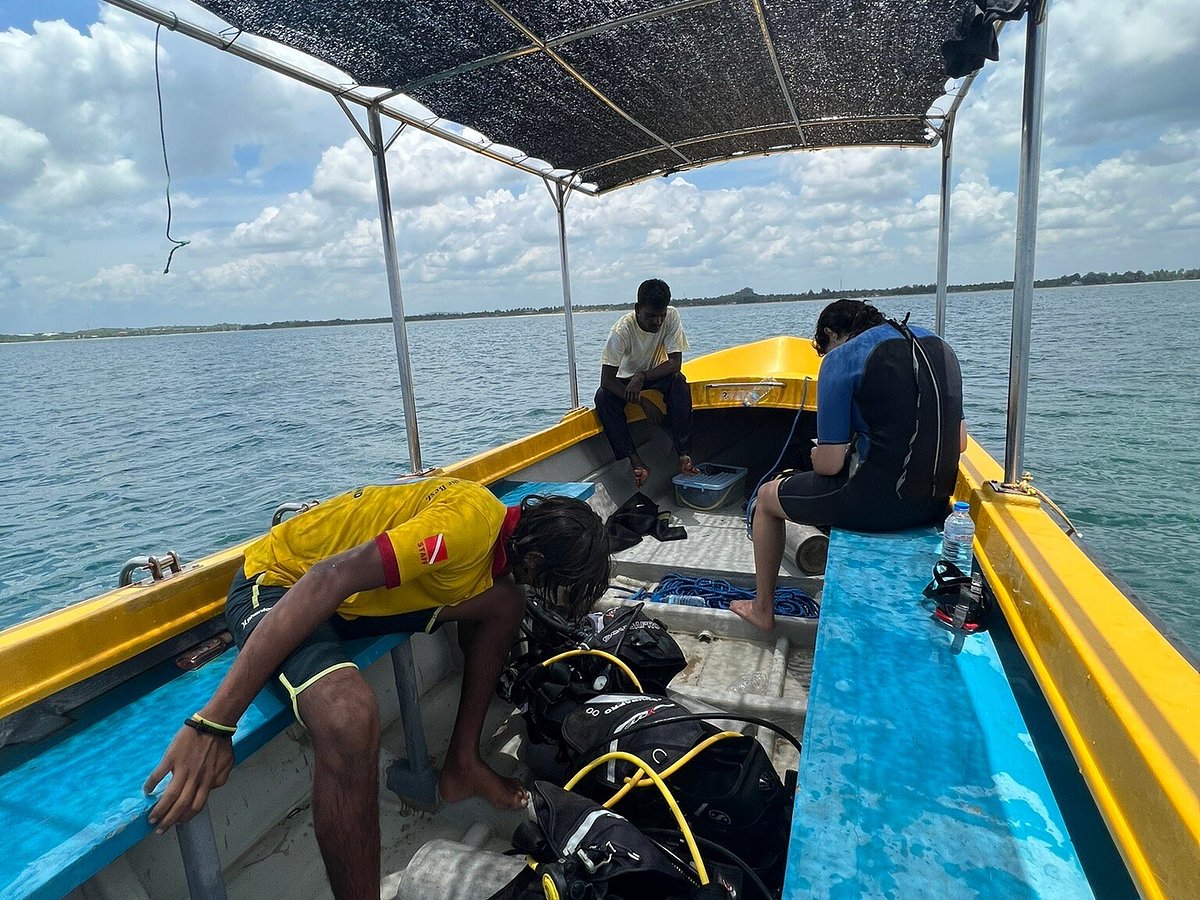
You board the dive boat at Uppuveli Beach before sunrise, the hull cutting through flat morning water as the coastline recedes into a grey-blue line. Twenty minutes offshore, the captain cuts the engine above the GPS coordinates for Coral Cove.
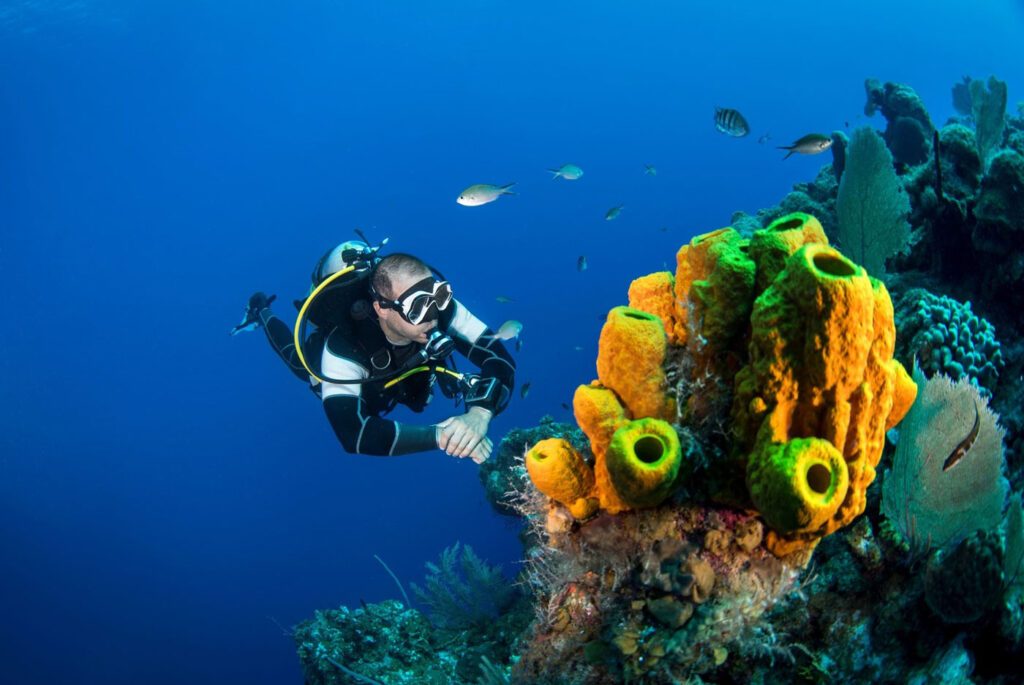
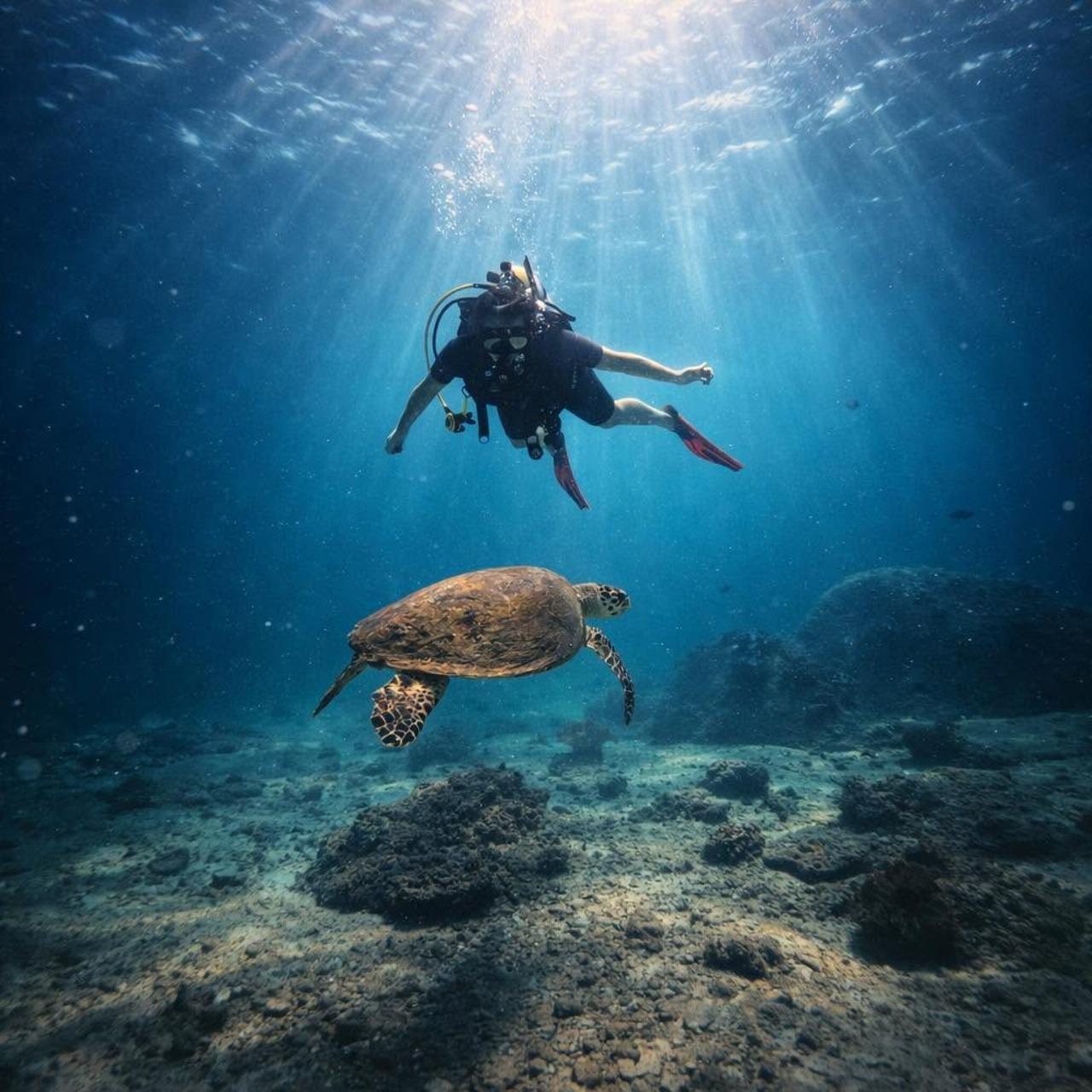
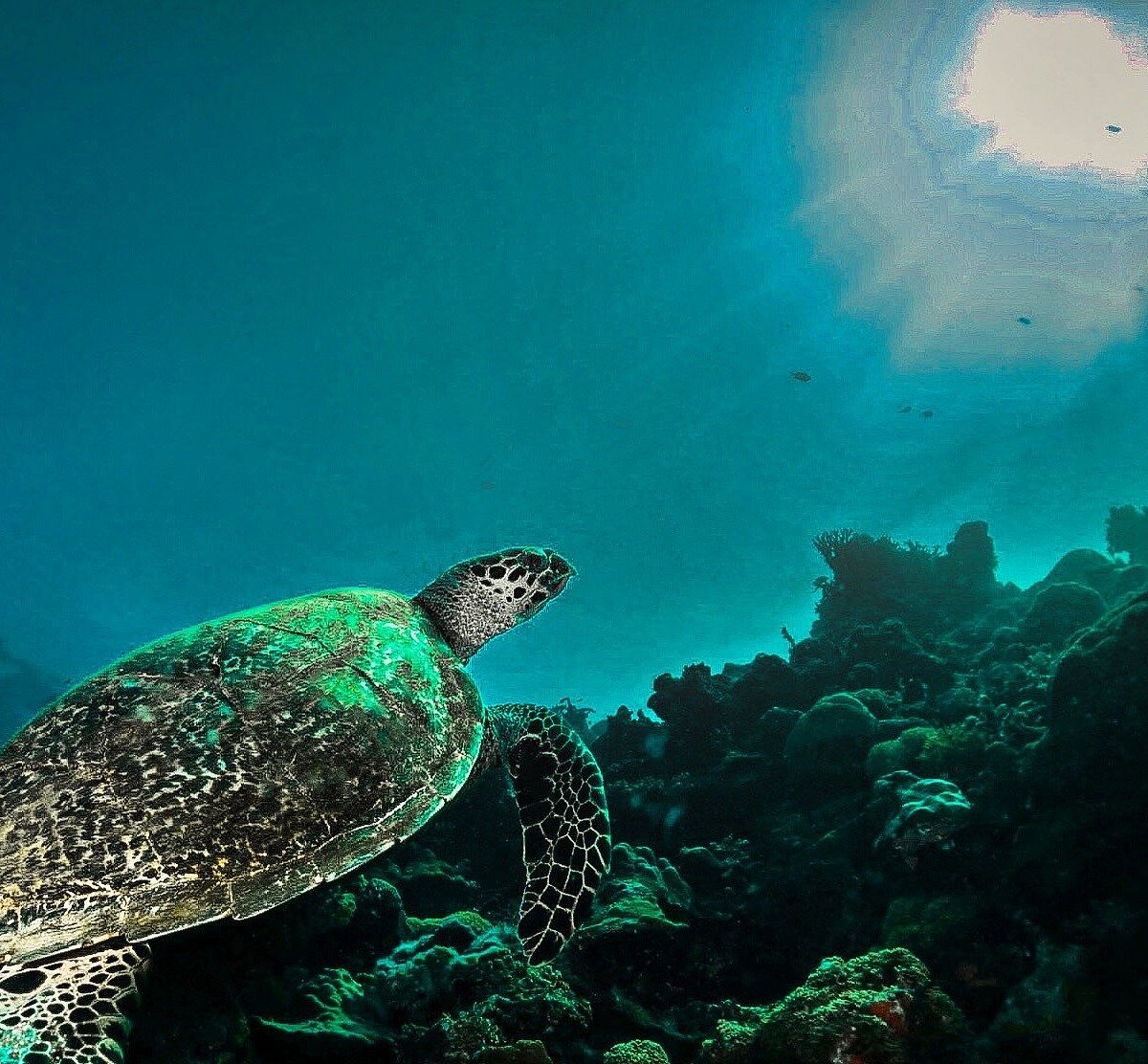
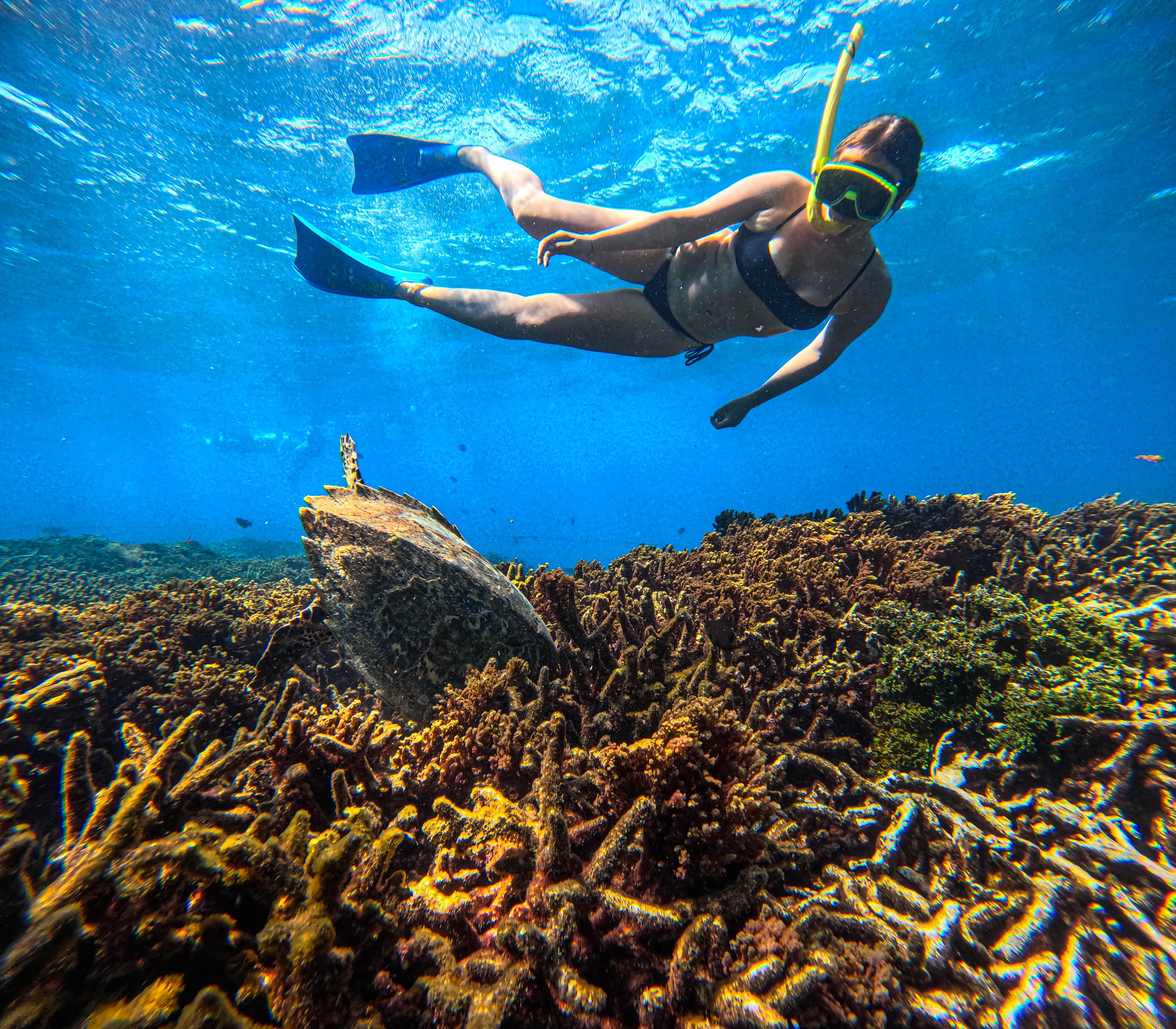
You giant-stride into twenty-eight-degree water and descend along the anchor line, equalising every two metres as the light shifts from turquoise to deep blue. At fifteen metres, the reef reveals itself: table corals extending like suburban rooftops, anemones hosting clownfish colonies, and a hawksbill turtle grazing on sponges attached to a granite overhang.
You follow the reef's contour east, finning past a cleaning station where a Napoleon wrasse hovers motionless while smaller wrasse pick parasites from its gills. Your dive computer reads twenty-three metres when a school of fusiliers parts around you, reforming seconds later as if you were never there. The dive master signals toward a crevice where a moray eel's head protrudes, its mouth opening and closing in rhythmic respiration. After forty minutes, you ascend to five metres for a safety stop, watching silversides form a living curtain above the reef before surfacing into full daylight and the boat's waiting ladder.
The centers are open daily from 06:00–22:00.
There is 0 USD fixed entrance fee; individual dive centers charge for specific activities.
Morning hours between 06:00–10:00 are best for visibility and calm seas.
No, many operators provide training for beginners seeking a discovery trincomalee diving experience.
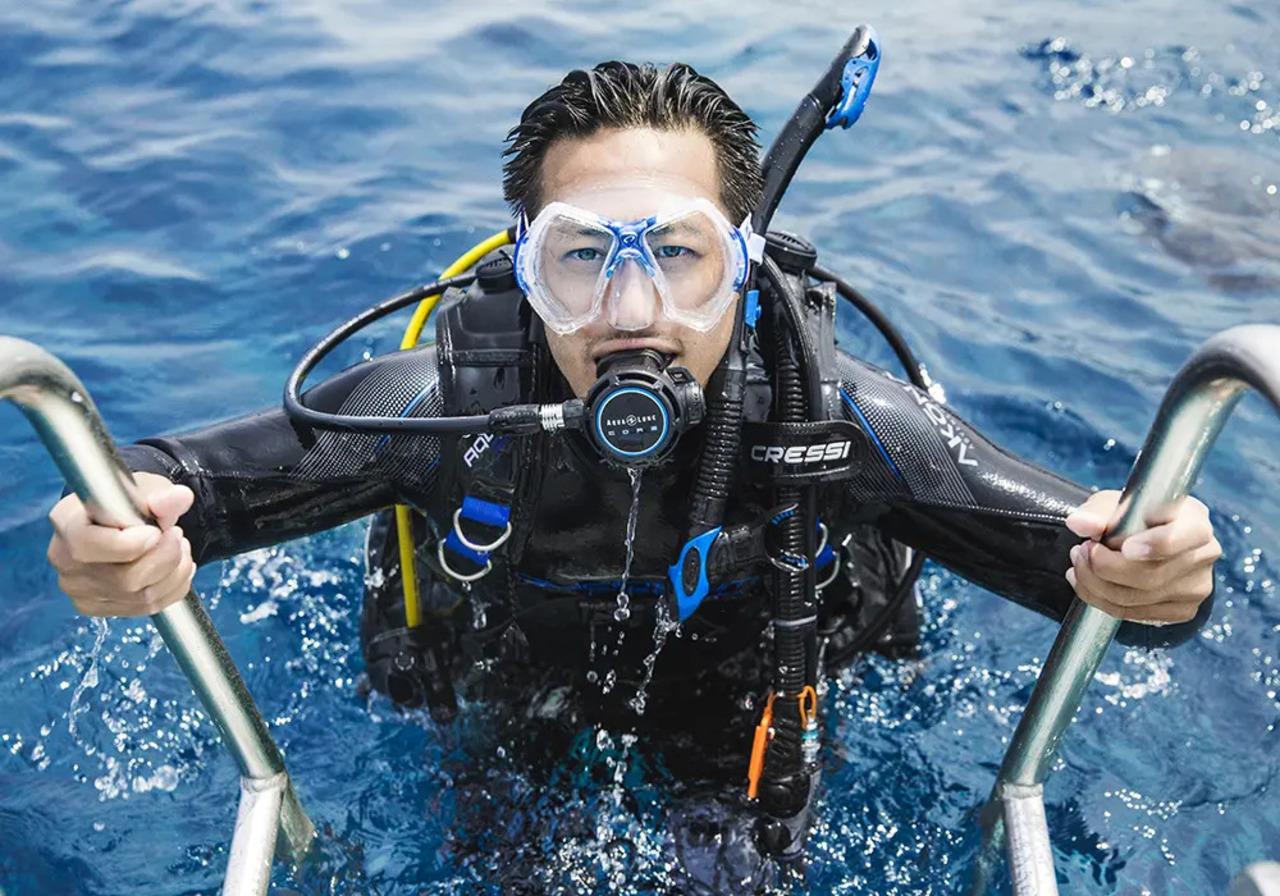
Equipment like fins, BCD, and regulators are provided by the trincomalee diving center.
Yes, operators follow strict eco-friendly protocols to ensure the safety of the Trincomalee marine ecosystem.
Yes, you can book your trincomalee diving tour online via the official site.
Most centers in Trincomalee provide local pickup or suggest meeting at the harbor or nearby beaches.
Yes, capturing photos is a common highlight of your trincomalee diving adventure.