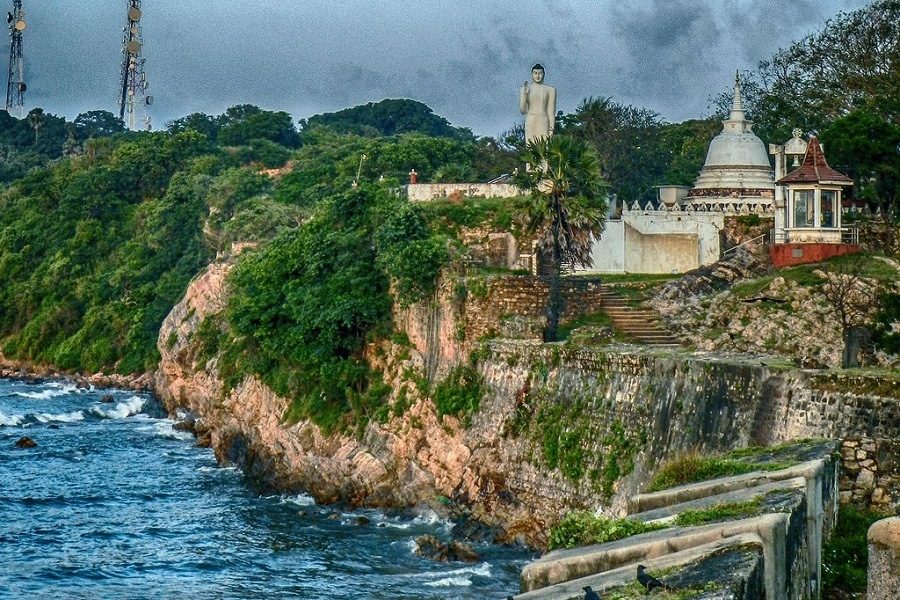
Fort Frederick
15 min drive
This historic fort encompasses the grounds of the Koneswaram Temple, providing a vantage point over the Indian Ocean after a dive.

Trincomalee's dive calendar is dictated by monsoon cycles that flip the island's diving geography twice each year. The eastern seaboard opens when the southwest monsoon pushes calm weather across the Bay of Bengal, transforming turbid coastal waters into gin-clear diving grounds from April through September.
Quick answer
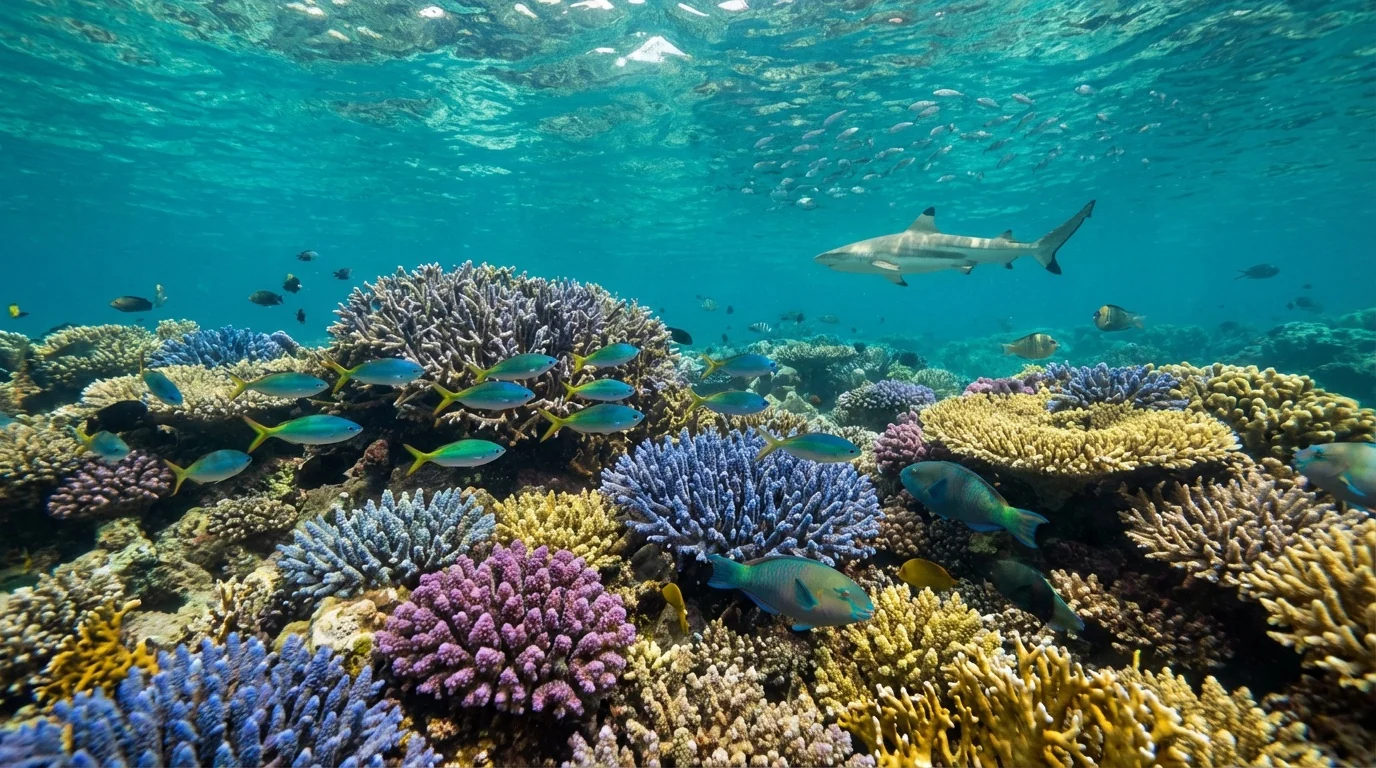
The trincomalee diving season extends from April through September, with May to August offering peak conditions—visibility exceeding 25 meters, water temperatures between 27°C and 29°C, and minimal surface chop. The northeast monsoon closes most sites from November through March, when swells and reduced visibility make diving impractical along the Eastern Province coastline.
Trincomalee holds the distinction of being one of the few natural deep-water harbors where monsoon reversals dictate not just weather, but the entire rhythm of underwater tourism. While the west and south coasts of Sri Lanka see divers from November onward, the east remains shuttered until the inter-monsoon transition in late March signals the shift. April marks the start of the trincomalee diving season, though early-season conditions can still carry residual sediment from March rains. By May, thermoclines stabilize and visibility pushes past 20 meters at sites like Pigeon Island, Swami Rock, and the HMS Hermes wreck lying at 53 meters. June and July deliver the calmest surface conditions of the year—morning departures between 07:00 and 11:00 encounter glassy seas and strong light penetration that brings out the full spectrum of soft corals carpeting the shallow reefs. August remains excellent, though occasional squalls begin to hint at the approaching monsoon transition. September is the hinge month. Operators continue running trips through mid-month, but by the final week, wind direction begins its swing and surface intervals grow choppier. October sees the northeast monsoon establish itself fully, bringing sustained swells that reduce visibility below 10 meters and make boat launches unreliable. The offshore sites close entirely, and the season does not resume until the following April. Beyond reef diving, the east coast diving calendar also governs pelagic encounters. Blue whales and sperm whales migrate through Trincomalee's offshore waters from March through August, with peak sightings in May and June. Manta rays frequent cleaning stations around Pigeon Island during the same window. For divers targeting both wrecks and megafauna, the narrow May-to-August corridor represents the only viable overlap in the annual cycle.
“By May, thermoclines stabilize and visibility pushes past 20 meters at sites like Pigeon Island, Swami Rock, and the HMS Hermes wreck lying at 53 meters.”
The prime diving season in Trincomalee runs from April to October, aligning with the inter-monsoon periods that provide the calmest sea conditions. For daily operations, the best arrival window is 07:00–11:00, when morning waters offer maximum underwater visibility.
Calm seas, 28-30°C; ideal for diving.
This is the primary season when visibility is highest and the ocean is stable.
Monsoon influence; rough seas and rain.
Diving is limited or suspended due to the northeast monsoon winds and poor underwater visibility.
—
Arriving between 07:00 and 11:00 provides the most stable surface conditions for boat departures.
Verdict: For the highest probability of clear water, plan your dives between April and August, arriving between 07:00 and 11:00.
Dive operations and coastal access in Trincomalee remain available throughout the week to support diving activities. Visitors are encouraged to plan their arrival between 07:00 and 11:00 for the calmest sea conditions.
Access to the general coastline in Trincomalee is free of charge. Costs associated with diving activities depend entirely on the specific operator and services selected.
Verdict: There is no entrance fee for the general coastline, though total costs fluctuate based on the specific dive operator and equipment requirements.
Trincomalee is located in the Eastern Province of Sri Lanka, accessible primarily via major road networks from Colombo or internal regional transport. Most visitors reach coastal dive centers by arranging private transfers or local tuk-tuks once in the town center.
Colombo Fort to Trincomalee Railway Station
Colombo Bastian Mawatha to Trincomalee Bus Stand
A6 Highway route via Habarana
Trincomalee town to Nilaveli or Uppuveli coast
The best arrival window is 07:00–11:00; sea conditions are typically calmest during morning hours for optimal visibility.
Prepare these essentials before heading out to dive Trincomalee's waters during the season.
Complement your underwater explorations by visiting historic and natural landmarks located along the Trincomalee coastline. These sites offer a context for the region's cultural heritage and geography after you finish your morning sessions.
15 min drive
This historic fort encompasses the grounds of the Koneswaram Temple, providing a vantage point over the Indian Ocean after a dive.
20 min drive
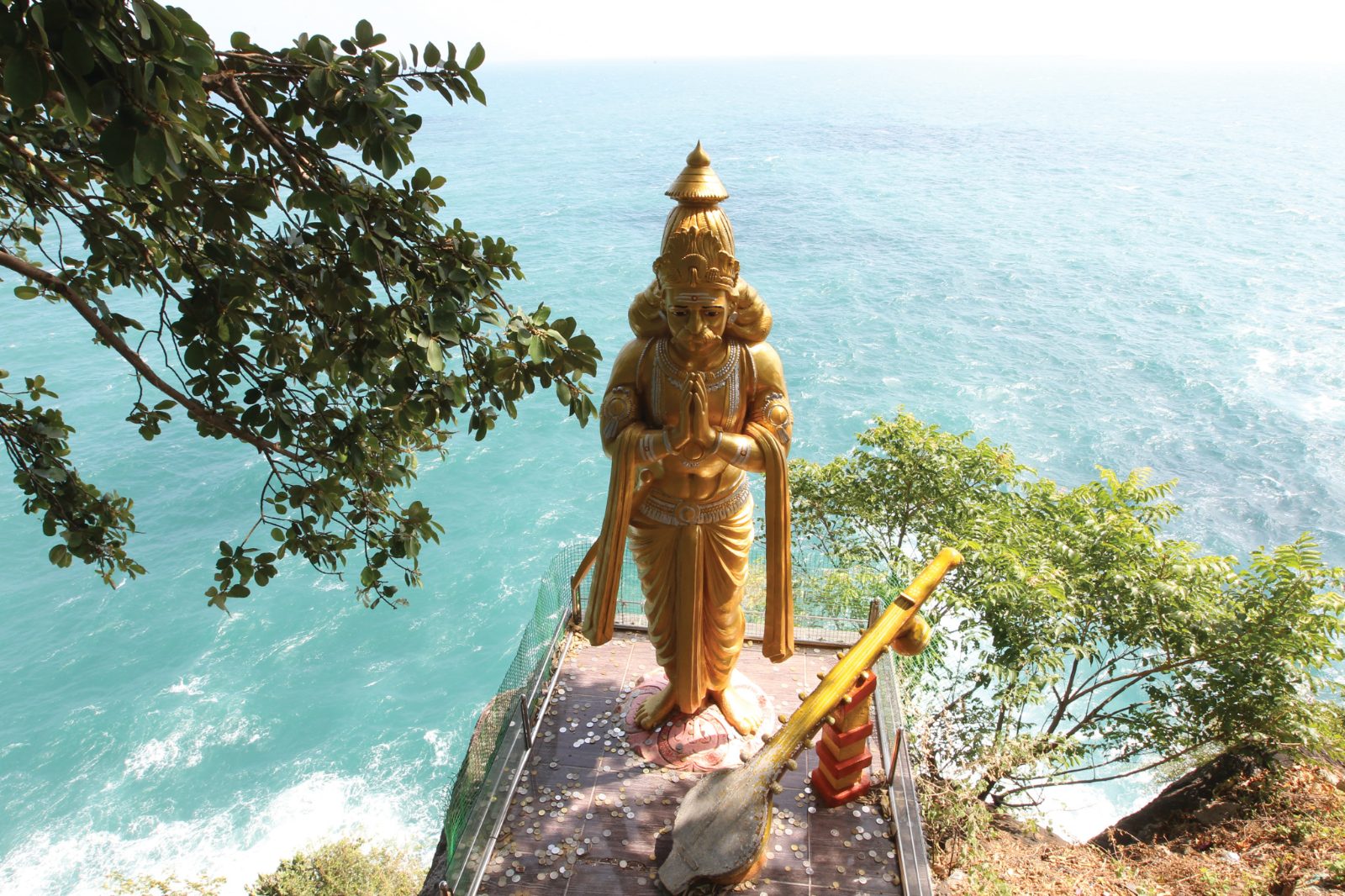
Located at the tip of Swami Rock, this temple is accessible by a short walk and offers views of the waters where diving occurs.
25 min drive
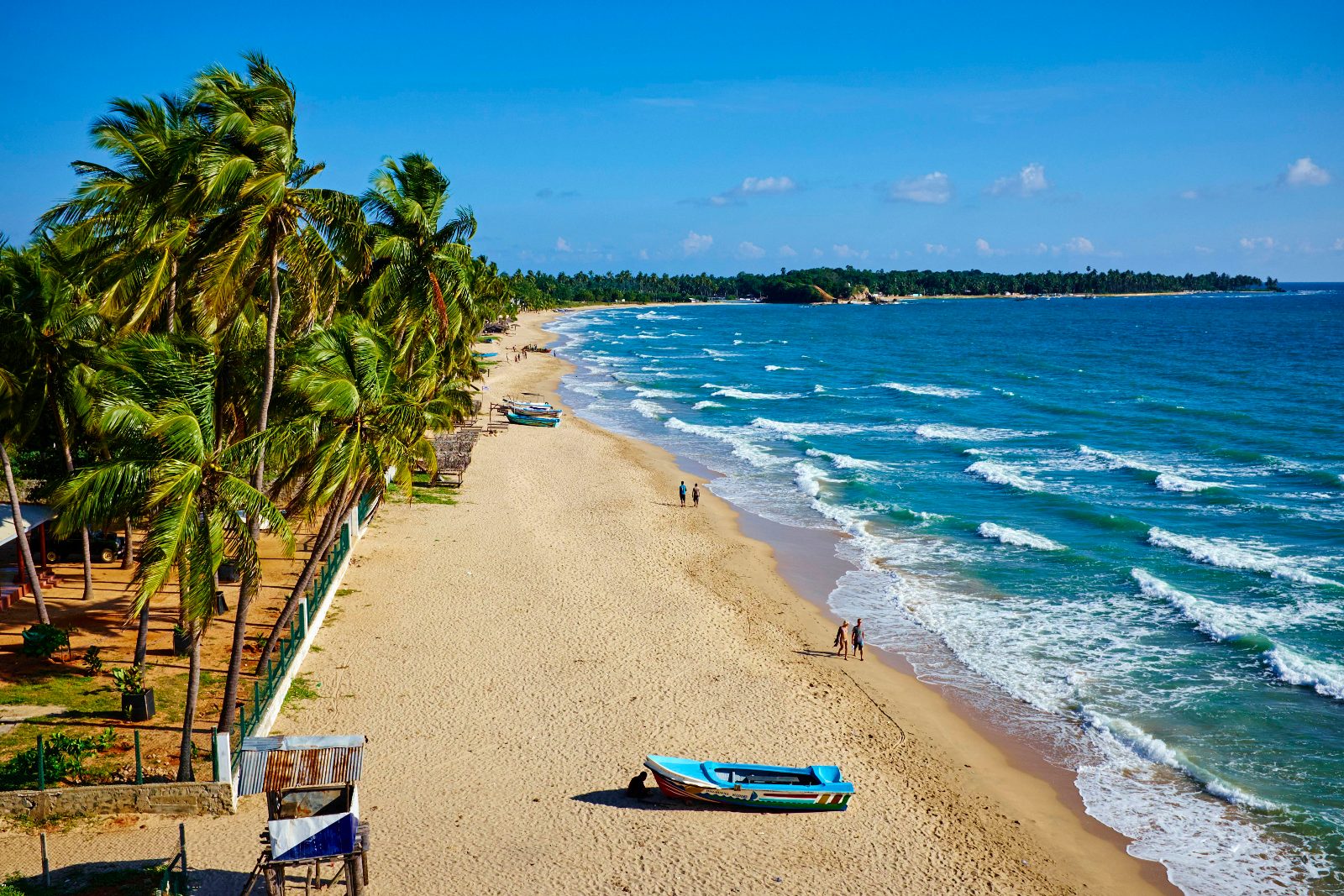
Known for its expansive coastline, this area serves as a logical base for divers seeking proximity to Pigeon Island National Park.
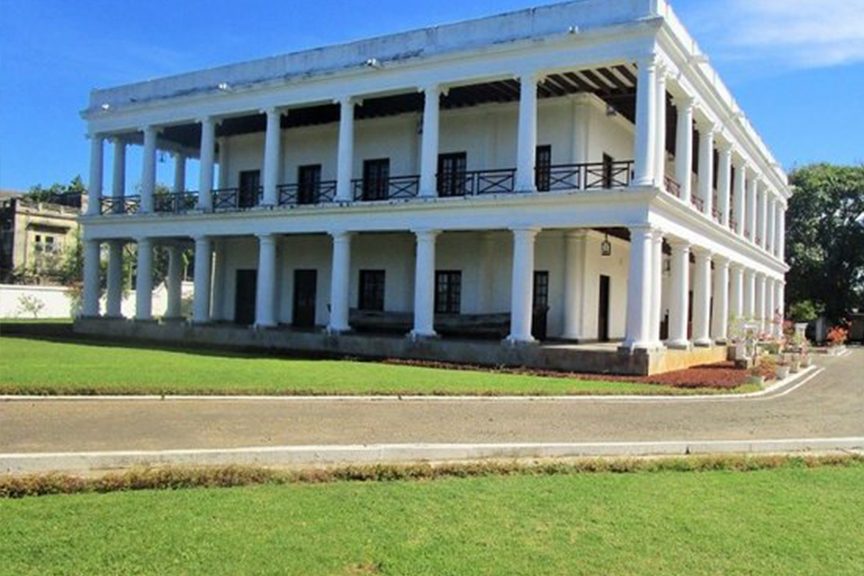
10 min drive
This museum details the naval history of the region and provides insight into the maritime environment explored during your dives.
Everything you need to know about trincomalee diving season
The peak trincomalee diving season generally runs from March to October when sea conditions are calmest. Outside of these months, monsoon weather can affect visibility and water safety.
Yes, many operators provide training and guided excursions perfect for those new to the sport. Choosing a reputable center helps ensure safety while exploring the reef ecosystems.
Divers often encounter vibrant coral reefs, tropical fish, and occasionally whale sharks or rays. The underwater topography varies significantly, offering diverse marine habitats for photographers and enthusiasts.
Access to the general coastline is 0 USD, meaning there is no base fee for the area. Specific dive sites or marine parks may have charges set by individual operators for permits or boat transport.
The best arrival window is 07:00–11:00 to take advantage of the calmest water conditions. Planning your arrival during these morning hours typically offers the clearest visibility for your excursion.
Local dive shops offer full equipment rentals including tanks, fins, and masks throughout the year. It is advisable to book your gear and boat slots through your chosen operator before heading to the coast.
Best Diving Sites in Trincomalee
Read more Tickets & toursWhale Diving Experiences in Trincomalee
Read more GuideTop Diving Centers in Trincomalee
Read more Tickets & toursPADI Diving Courses in Trincomalee
Read more Tickets & toursWreck Diving Trincomalee
Read more GuideTrincomalee Diving Prices
Read more